|
CP Air had been solidly profitable throughout the 1960s and first half of the 1970s, but in 1975 it recorded its first annual loss in 13 years. The carrier cut costs and focused on efficiencies, which included a fleet overhaul and rationalisation. In the long-haul department that would mean the McDonnell Douglas DC-10 would eventually become the only type in service. The big trijet would briefly take CP Air back into the Canadian Pacific era and then through to Canadian Airlines International.
1 Comment
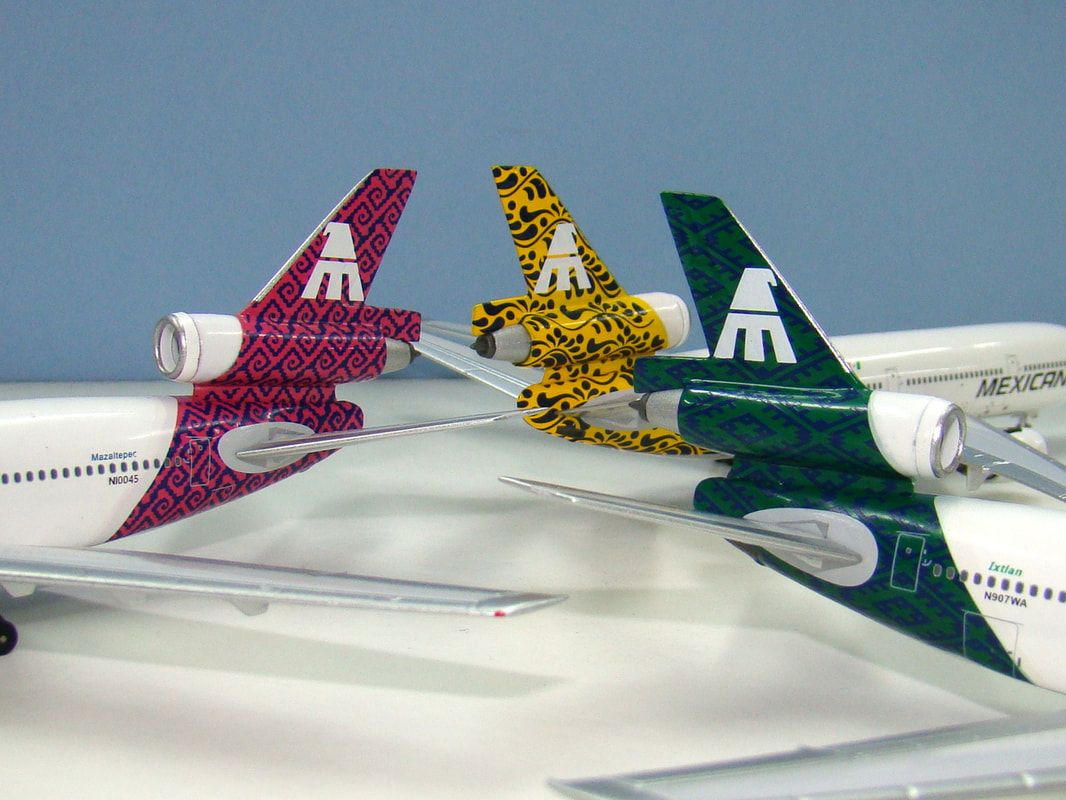
Ecuatoriana's cessation of operations in 1993 had been something of a shock as the airline's financial condition was unknown even though its service levels had been decreasing. Despite a lengthy period out of operation the Ecuatoriana brand wasn't finished however, and a white knight appeared in the form of the Brasilian airline VASP. VASP was keen to form a pan-South American VASP Air System including Ecuador's colourful national carrier.
When I investigate the histories of models in my collection it is always an interesting moment when I realise that I have the same airframe in my collection wearing different liveries. This is the case for one of my DC-10-30s, which started its life in the South Pacific and would alternate during its career between that region and the USA. It was also unique in being the only DC-10 to wear the wonderful scheme of Air Pacific of Fiji and would be the aircraft that launched that airline's ill-fated first steps into long-haul travel.
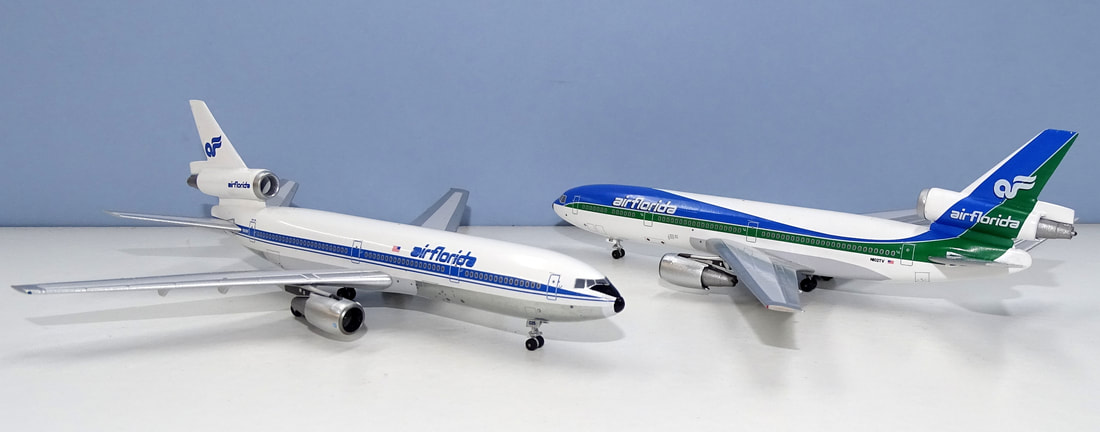
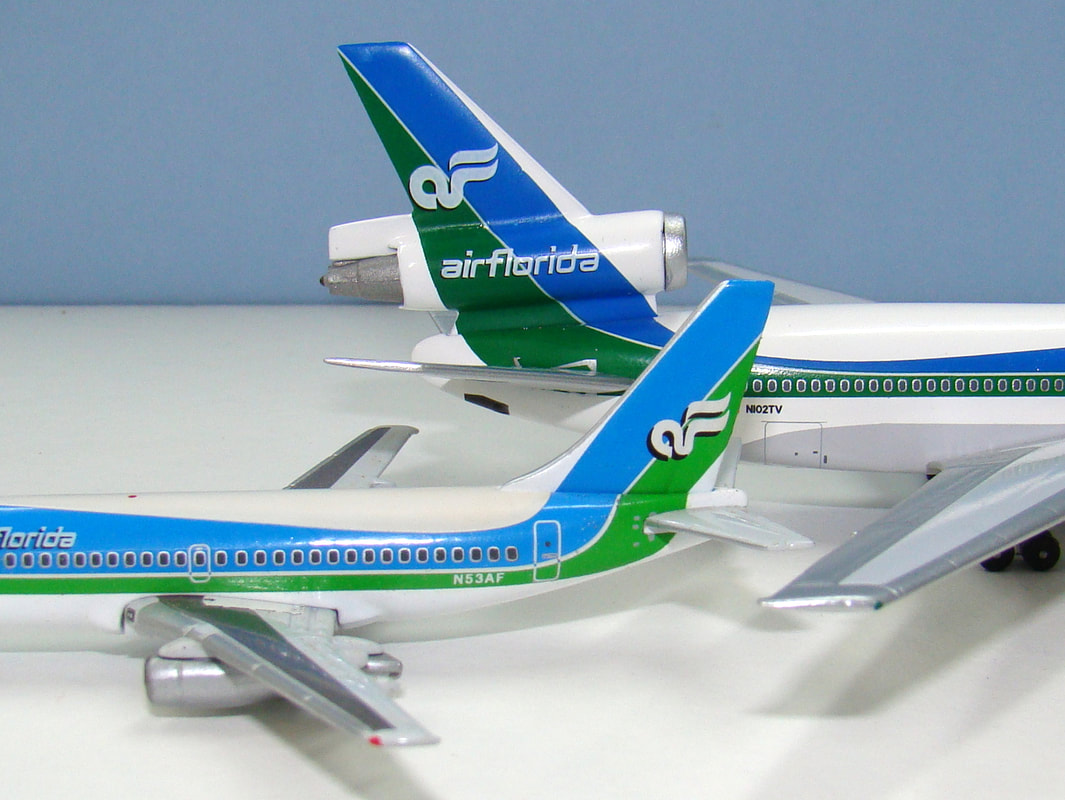
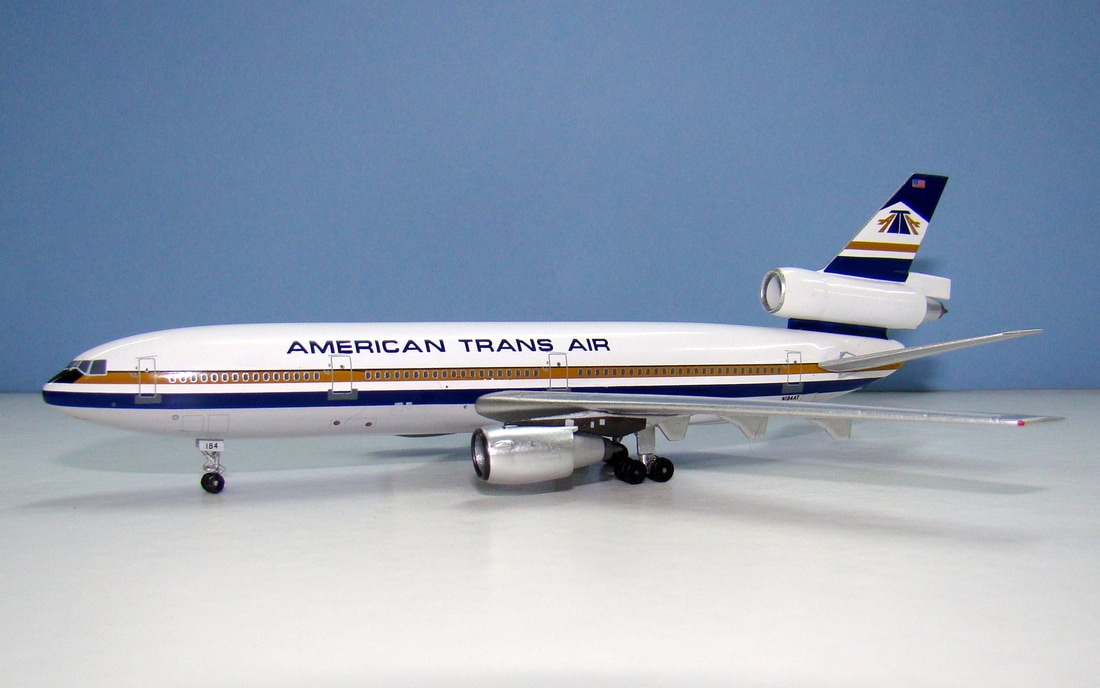
Air Florida was, thanks to its President Ed Acker, one of the darlings of the first years of deregulation and exploded out of Florida with low fares and cheeky service in late 1978. Acker’s expansionist dreams would never be satisfied with just the USA and as well as trying to buy a selection of much larger airlines Air Florida also positioned itself for the long-haul. This is the story of their push across the Atlantic.
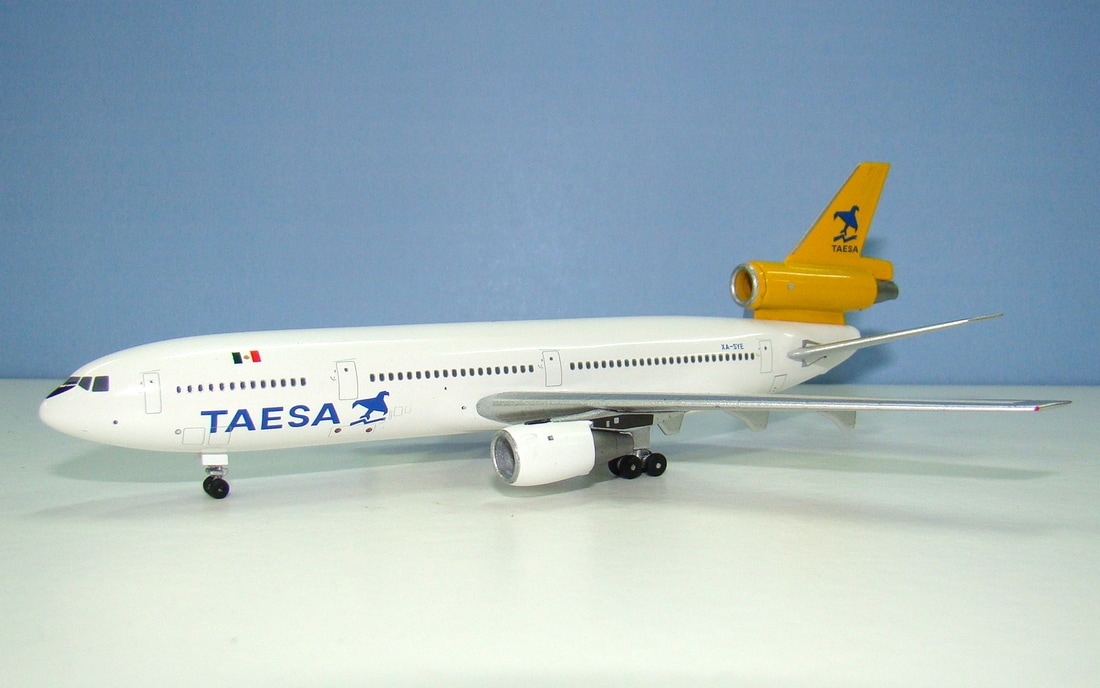
After 5 years of operations Transportes Aéreos Ejecutivos (TAESA) had appeared to carve itself a strong and profitable position in both the Mexican domestic scheduled and international charter markets. It was a well run airline with a large modern fleet that was going places. Unfortunately events outside of its control would lead to drastic retrenchment and a fight for survival, but not before it attempted a crazy transpacific gamble.
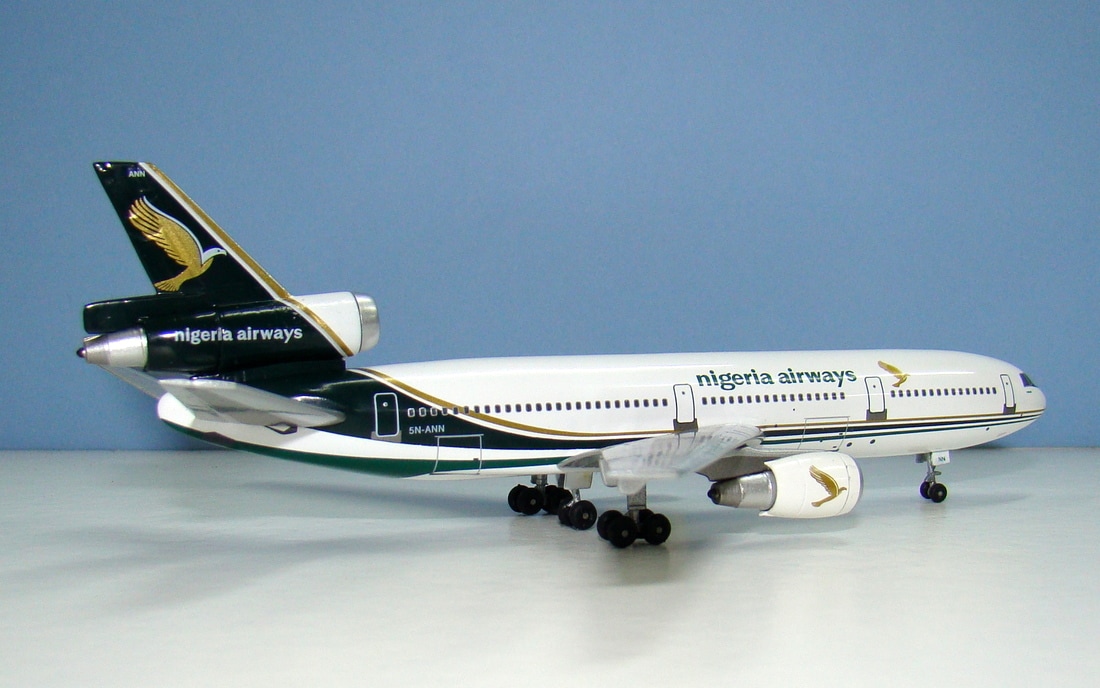
Ghana Airways was quick to get an interest in the new jets on offer and during 1960 when it was ordering Viscounts and IL-18s it also ordered a pair of Boeing 707-420s and three VC10s. The airline had grandiose dreams of flying the 707s to the United States and Australia but the financial troubles of 1961 put paid to those and instead it had to wait a while longer before it could really join the jet age.
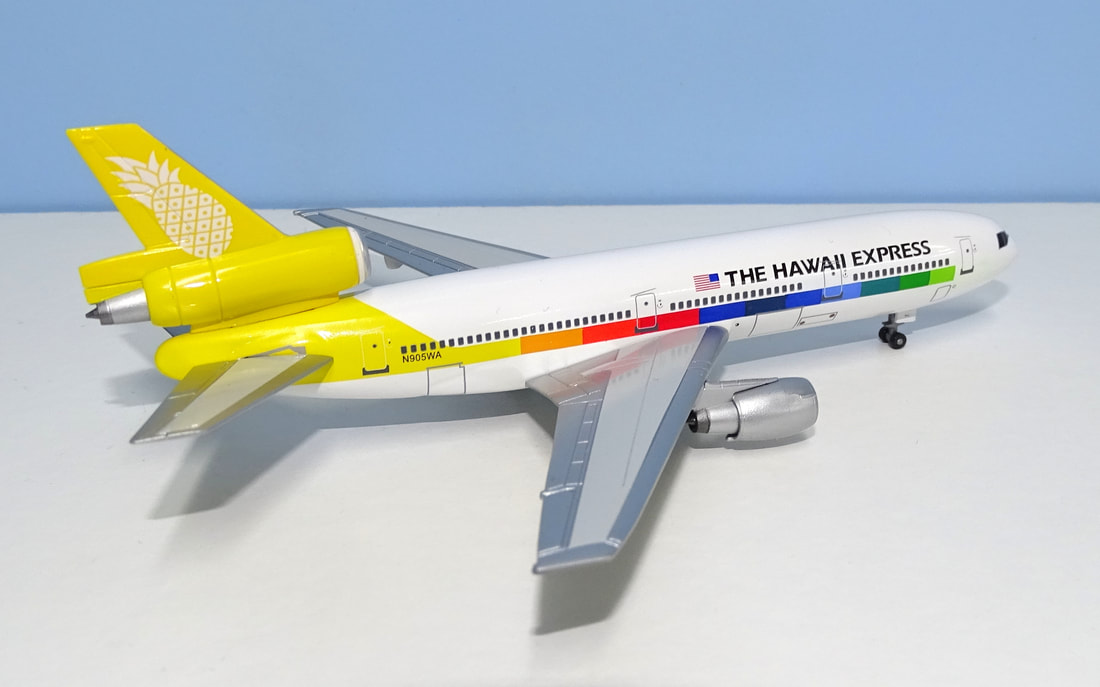
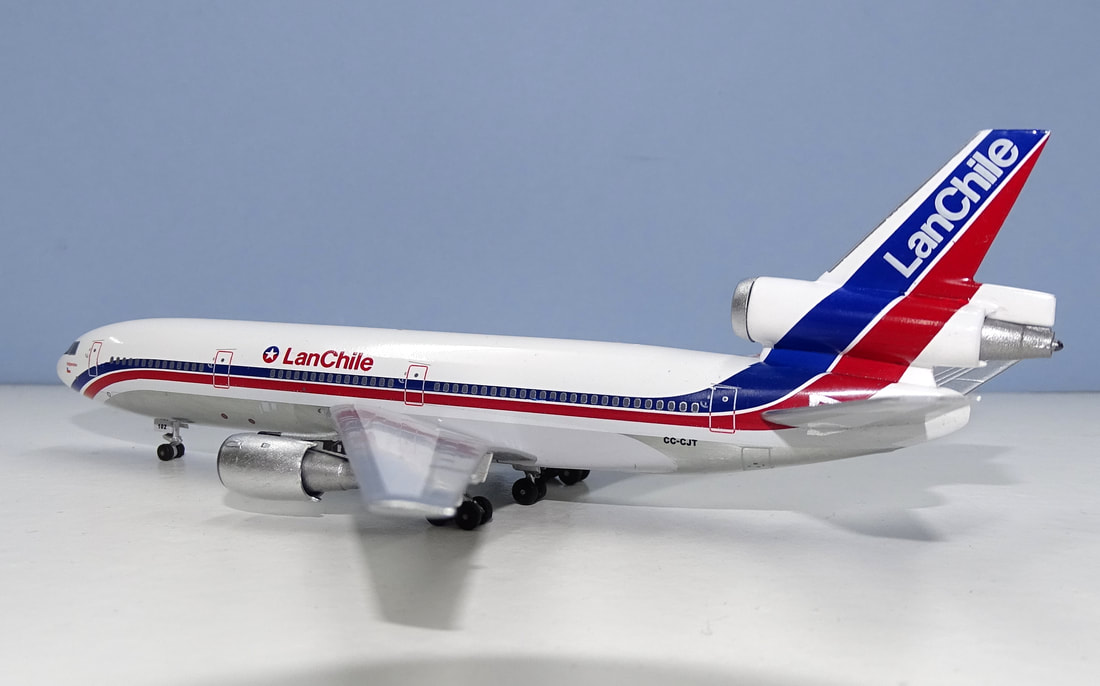
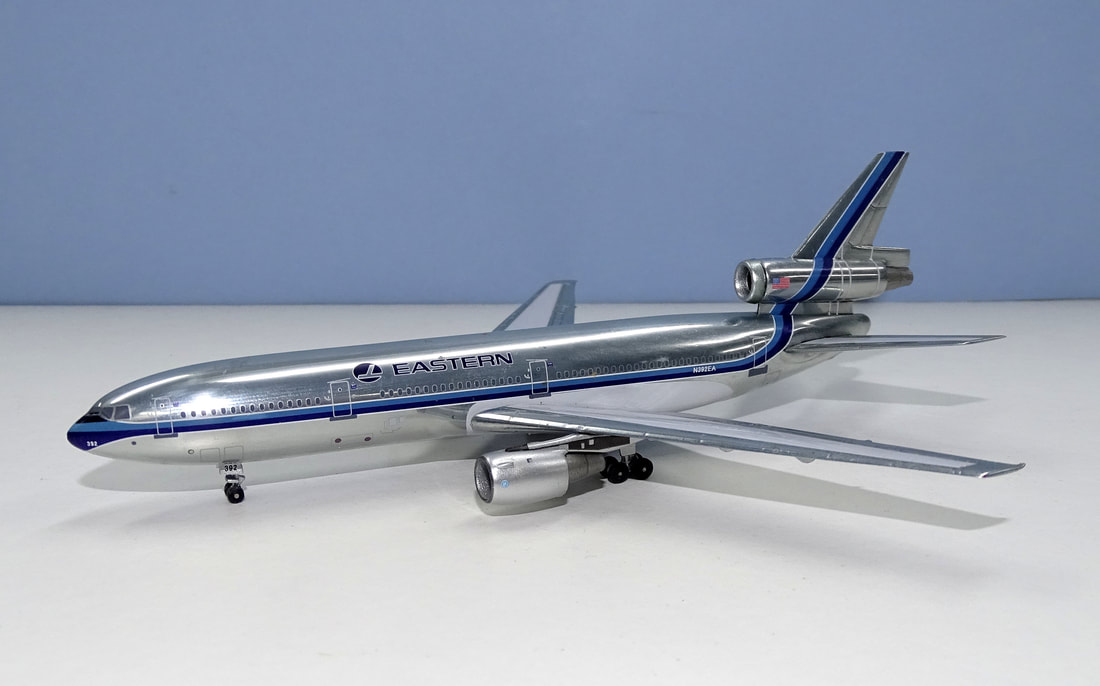
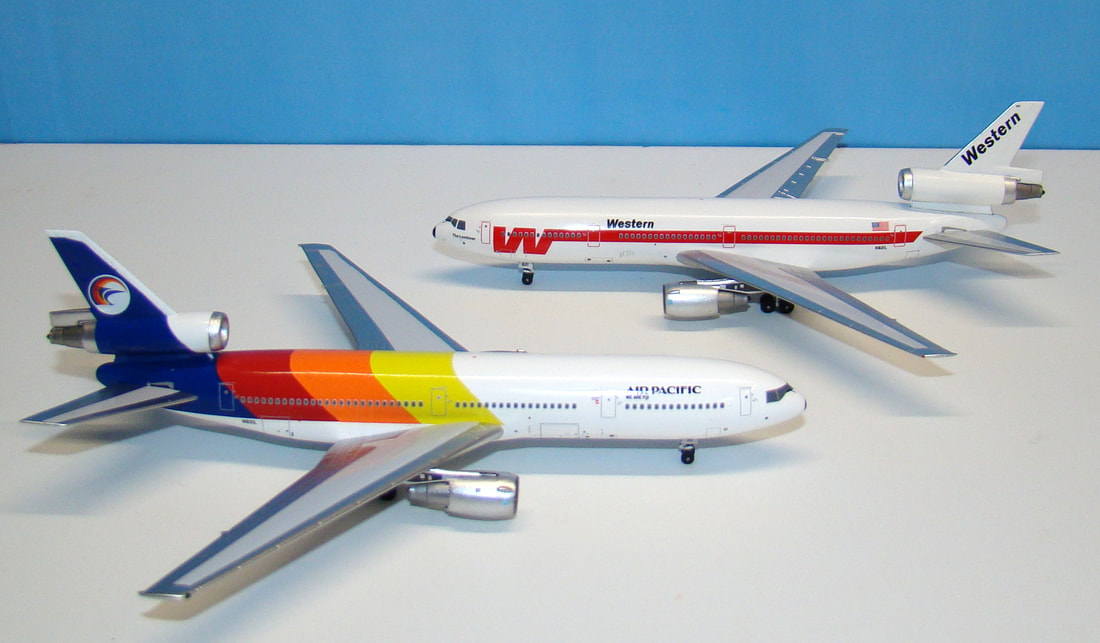
Deregulation in the USA caused a whirlwind of changes in the industry when it enabled pretty much anyone to fly anywhere they liked. For most airlines this led to a lot of red ink and their collapse. Long-haul routes from the mainland to Hawaii or Hawaii to elsewhere in the Pacific had already been super competitive since the early 70s but that didn't stop three airlines from trying to break into the market all using McDonnell Douglas DC-10s. Here's their stories...
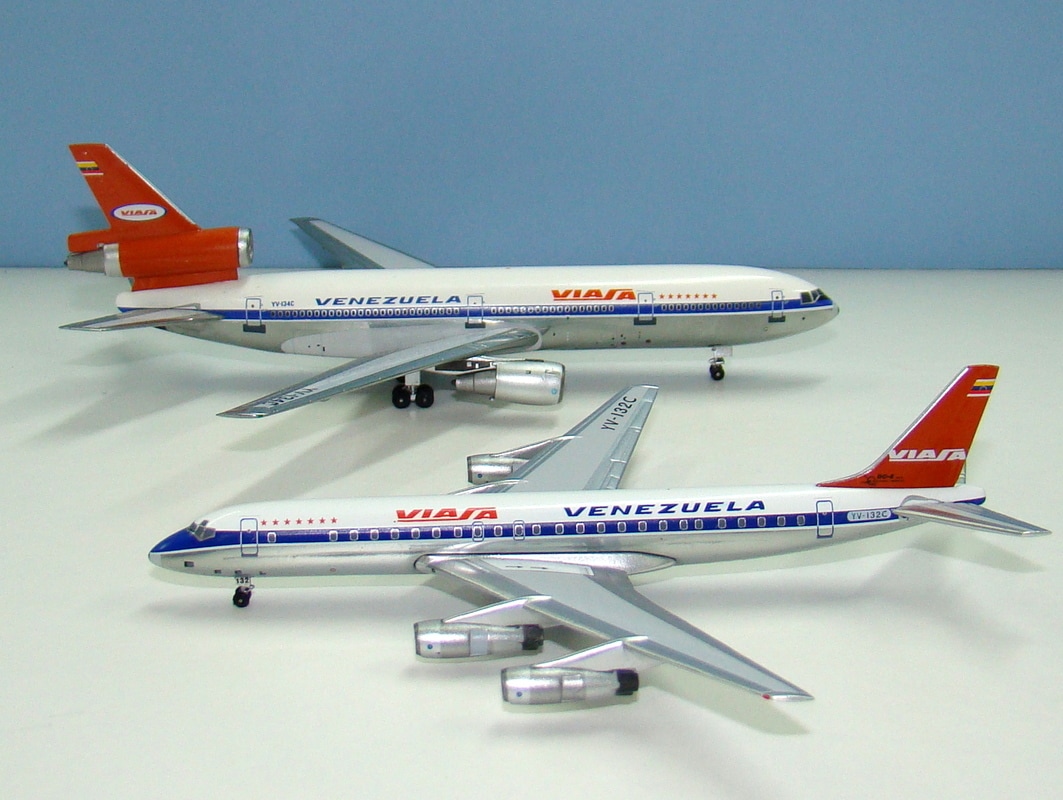
Following on from Part 1 VARIG by the mid-1960s was Brazil's primary international airline, but in getting to this position, through its acqusition of its competitors, it sure had gained a varied fleet. VARIG had chosen the 707-441 as its primary long-haul jet type but REAL and Panair do Brasil had not and that led to multiple jet types in service. Eventually however VARIG would in the 1970s be able to clean things up a bit and standardise on McDonnell Douglas' DC-10 trijet.
The 1979 OPEC oil crisis, triggered by the Iranian Revolution, threw CP Air's equipment plans into chaos. As already described in part 2 the airline had bought new DC-10s, but it had also ordered four of Boeing's, then new, 767-200s (along with four options) for its North Atlantic routes. With the resulting global recession CP Air was instead looking for fleet rationalisation rather than expansion and the 767s would never see service. In 1968 Canadian Pacific became CP Air when its owner, the Canadian Pacific Railway, decided to align all its brands. Each of Canadian Pacific's divisions (CP Rail, CP Transport, CP Express, CP Ships, CP Telecommunications, CP Hotels and CP Air) gained a linked branding using the new Multi-mark arrow logo. The arrow depicted motion, the semi-circle global service and the square stability. Each division gained a dominant colour with CP Air getting Orange. This led to the advertising firm 'Lippincott & Margulies' who were responsible for the makeover coming up with the slogan "Orange is beautiful". The new livery first appeared on new 737-200s in October 1968. |
AuthorI'm Richard Stretton: a fan of classic airliners and airlines who enjoys exploring their history through my collection of die-cast airliners. If you enjoy the site please donate whatever you can to help keep it running: Archives
February 2026
Categories
All
|