|
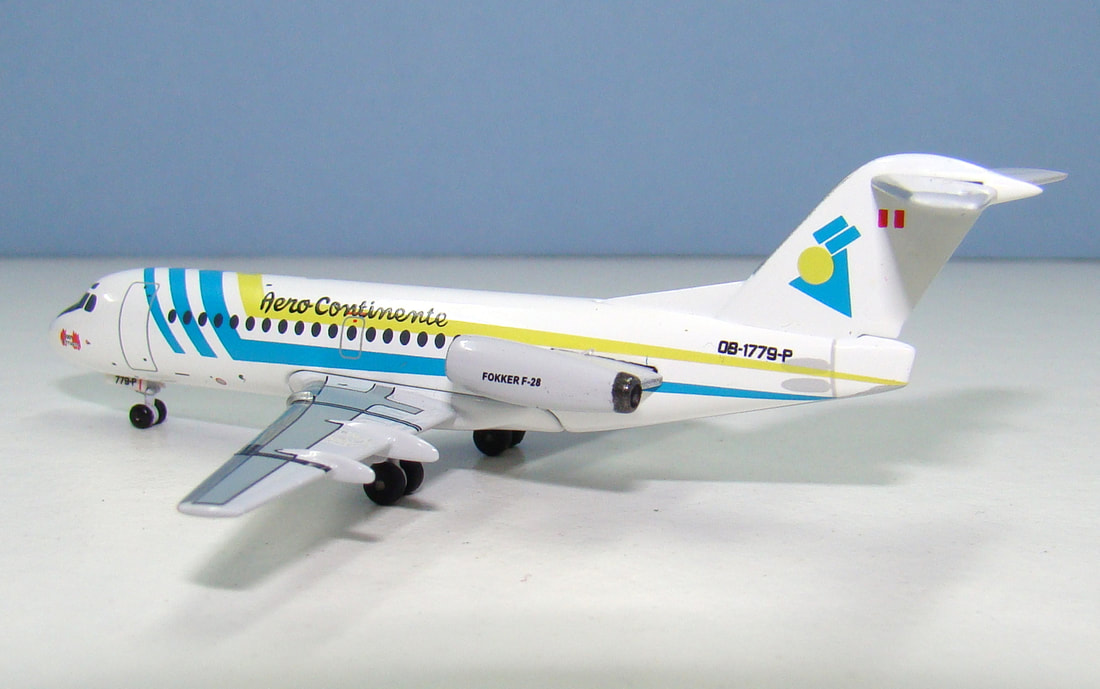
The Dutch Fokker 28 Fellowship proved to be a hardy design that after first flying in 1967 provided strong competition, at the lower end of the passenger scale, to the Douglas DC-9 and BAC One-Eleven. One feature of its design that was unusual was the split-section tailcone airbrake that enabled rapid descents - something no doubt of much use in a mountainous country like Peru. Accordingly, the Peruvian Army's airline SATCO came to be an early customer, but the type would soon be seen flying in more colourful liveries through the Peruvian Amazon.
0 Comments
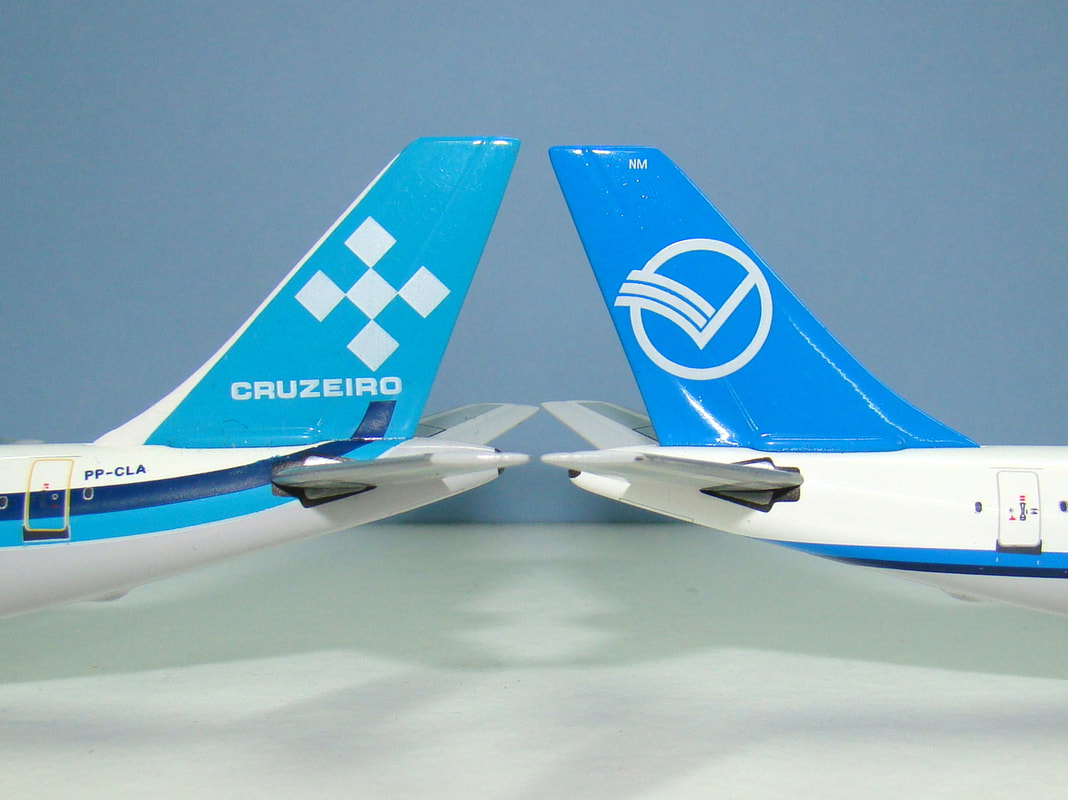
From the mid-1970s the Boeing 737-200 Advanced model became the backbone of the fleets of the three major Brasilian airlines - VARIG, Cruzeiro do Sul and VASP. Only Transbrasil resisted the temptations of the baby Boeing - opting for BAC One-Elevens and then 727s instead. VARIG and Cruzeiro had become inextricably linked in 1975 and together they used the marketing name 'Super Advanced 737' to promote their Fat Alberts.
Ecuatoriana's cessation of operations in 1993 had been something of a shock as the airline's financial condition was unknown even though its service levels had been decreasing. Despite a lengthy period out of operation the Ecuatoriana brand wasn't finished however, and a white knight appeared in the form of the Brasilian airline VASP. VASP was keen to form a pan-South American VASP Air System including Ecuador's colourful national carrier.
Ecuatoriana dazzled the aviation world with its amazing special livery variations during the 1970s, as discussed in part 1. From 1979 the airline began to standardise its colours, though it did it with style and plenty of colour producing one of the all time great liveries. However, despite the outward appearance of beauty, as with many other latin american national airlines, there was something rotten at the core of the airline, which would threaten its very survival into the 1990s.
The A300 was an excellent product and yet Airbus really struggled to sell the type at first. Eventually, however, it gave them their break and also made a significant inroad into the Brasilian market, albeit one that was relatively short-lived. It wouldn't be until the 2000s that Airbuses would be seen in large numbers in Brasil and by then the last of the 'Silent Giants' was coming to the end of its service.
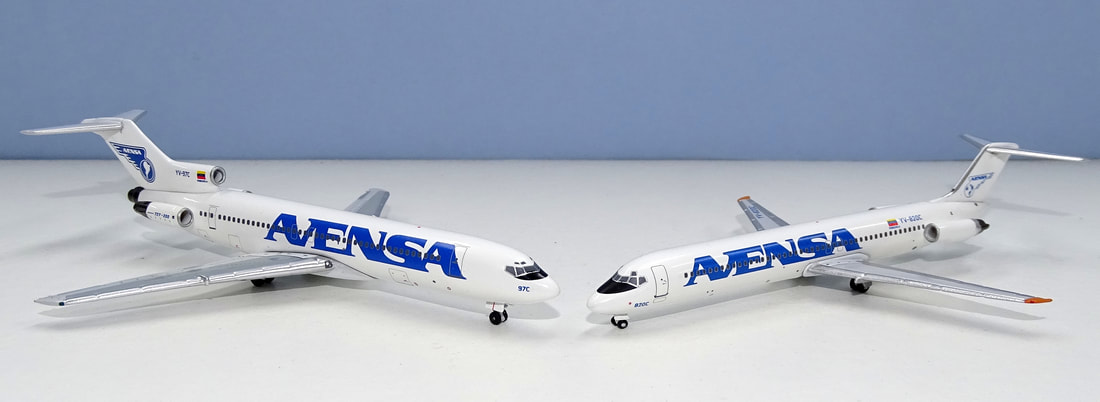
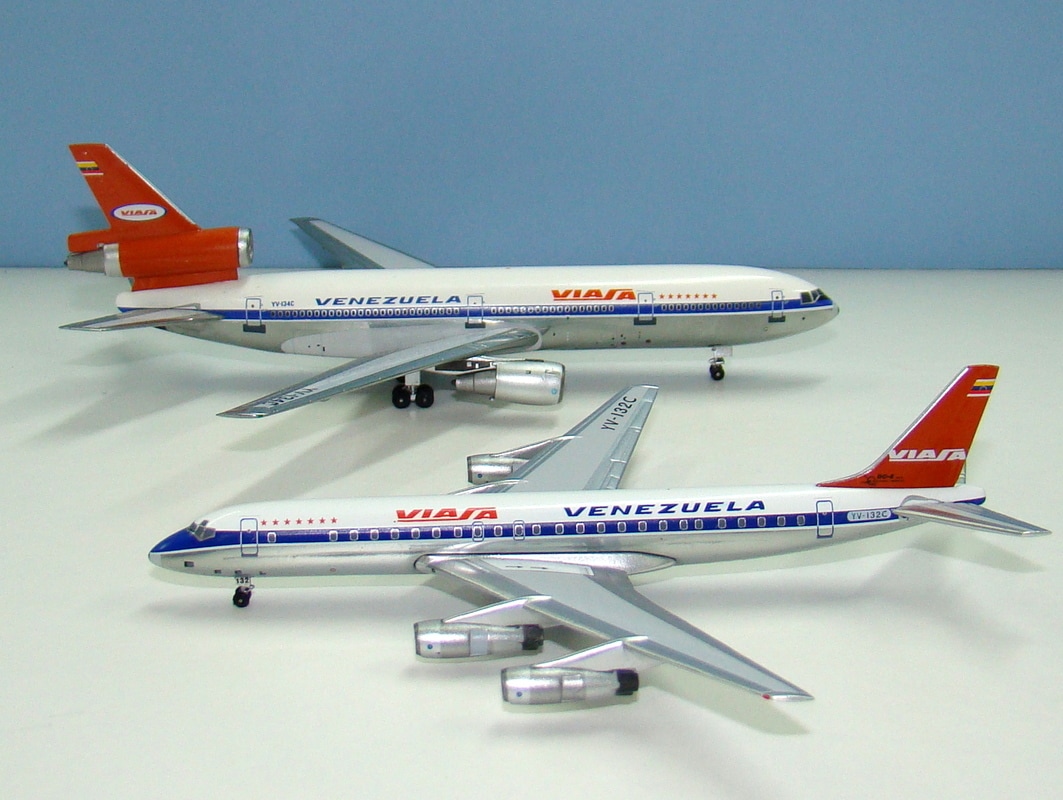
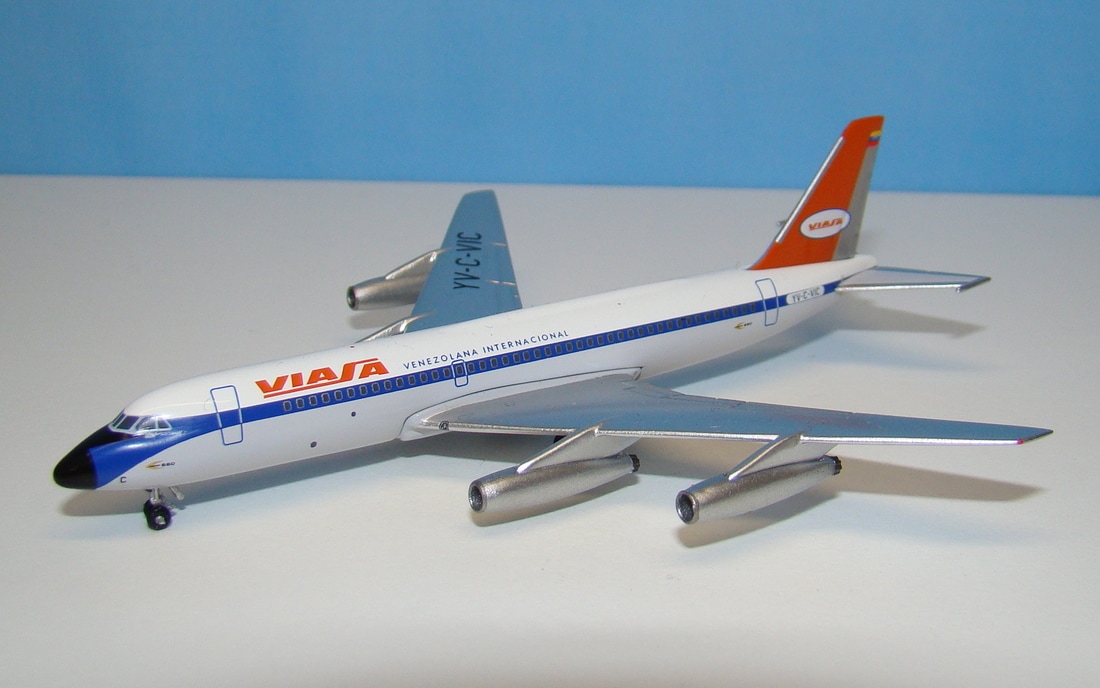
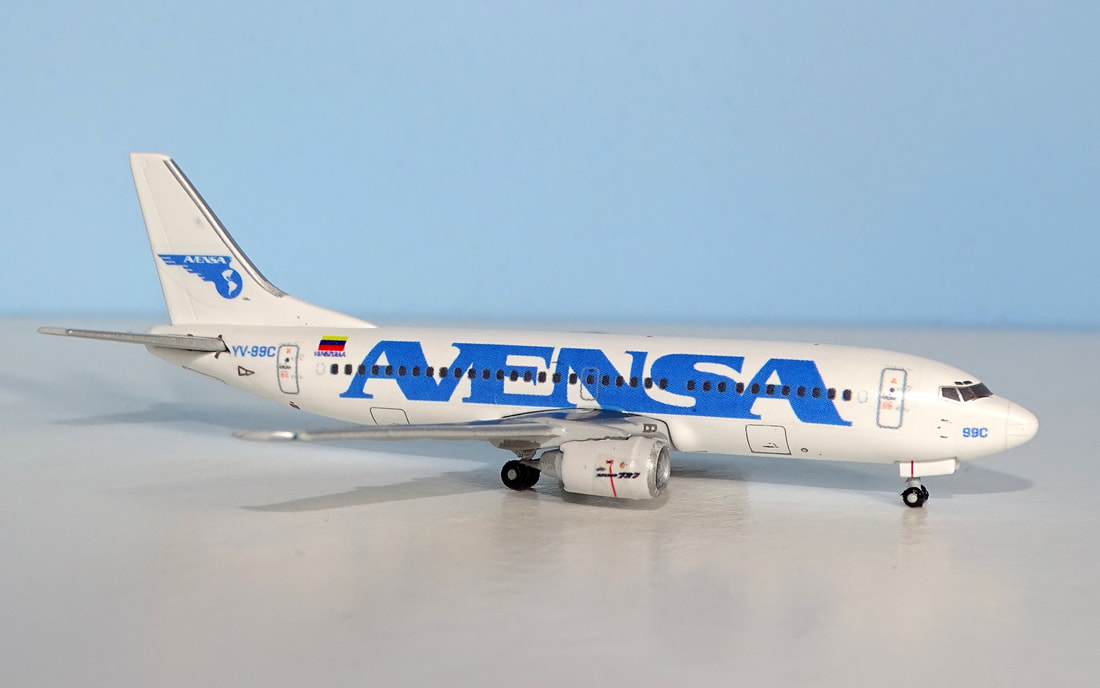
By the mid-1980s the good times for Venezuela were well and truly over. The currency had been devalued in 1983 unleashing an economic crisis, the nation was deep in debt and corruption was on the rise. The national airlines, VIASA and Aeropostal, were struggling but AVENSA, under the leadership of Henry Lord Boulton, used the situation to unleash his own brand of 'savage capitalism' which would enable AVENSA to thrive, at least for a short time.
Nowadays Venezuela is in a sorry state, wracked by economic collapse, hyper-inflation and a dictatorial regime. The pathway to this has been long and complex and has gradually taken a toll of the airline’s once rich aviation scene, so that only a handful of airlines survive and connections with international destinations are sporadic. One of the highest profile failures was that of AVENSA who had started operations in 1943.
|
AuthorI'm Richard Stretton: a fan of classic airliners and airlines who enjoys exploring their history through my collection of die-cast airliners. If you enjoy the site please donate whatever you can to help keep it running: Archives
December 2025
Categories
All
|