
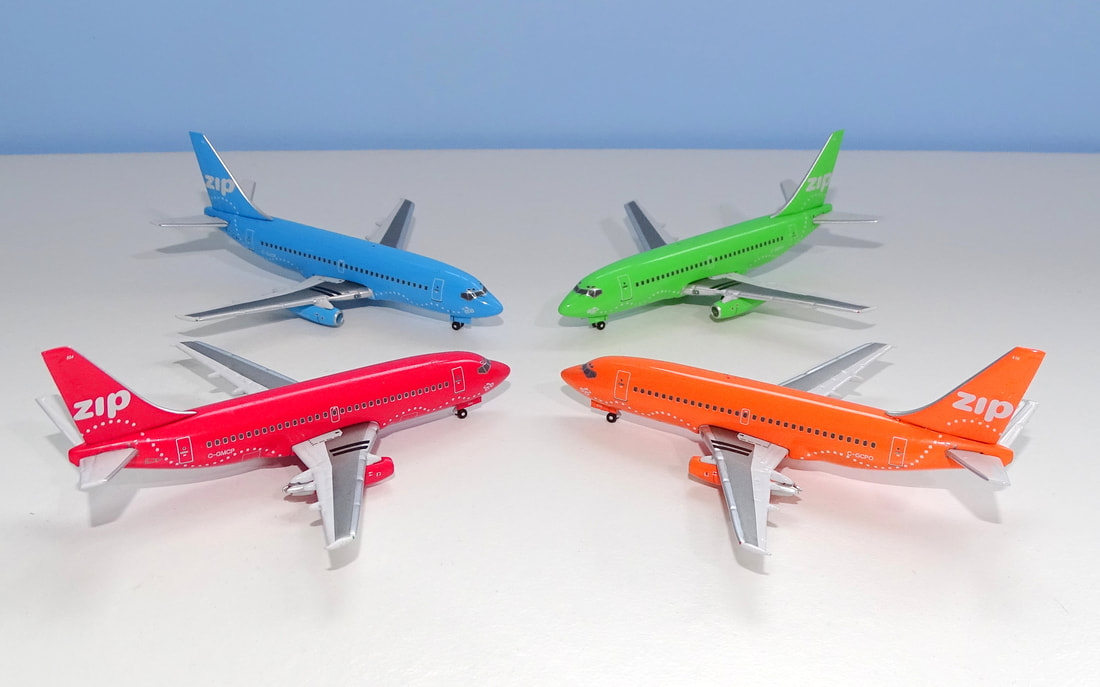
The advent of low cost carriers led to a raft of legacy airlines setting up low cost subsidiaries across the globe. From New Zealand to Germany, and South Africa to the USA the established airlines were on the defensive. Canada was no different, and faced with the challenge of WestJet, Air Canada decided it too would jump on the bandwagon, at least until it could get its own cost's under control. The result was ZIP!
0 Comments
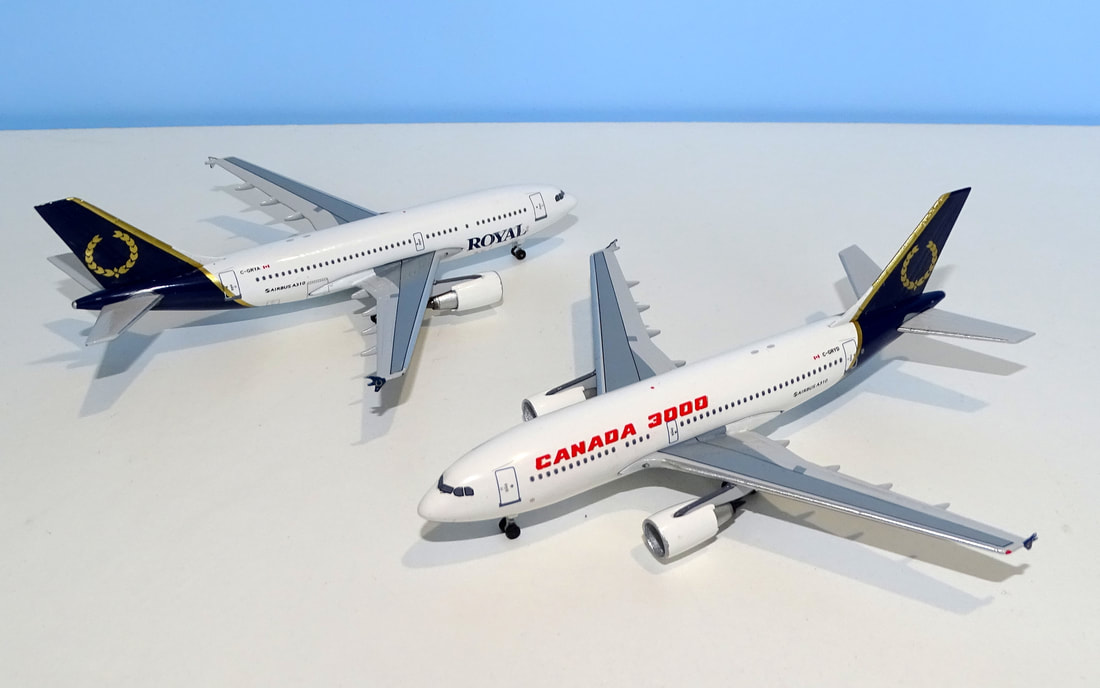
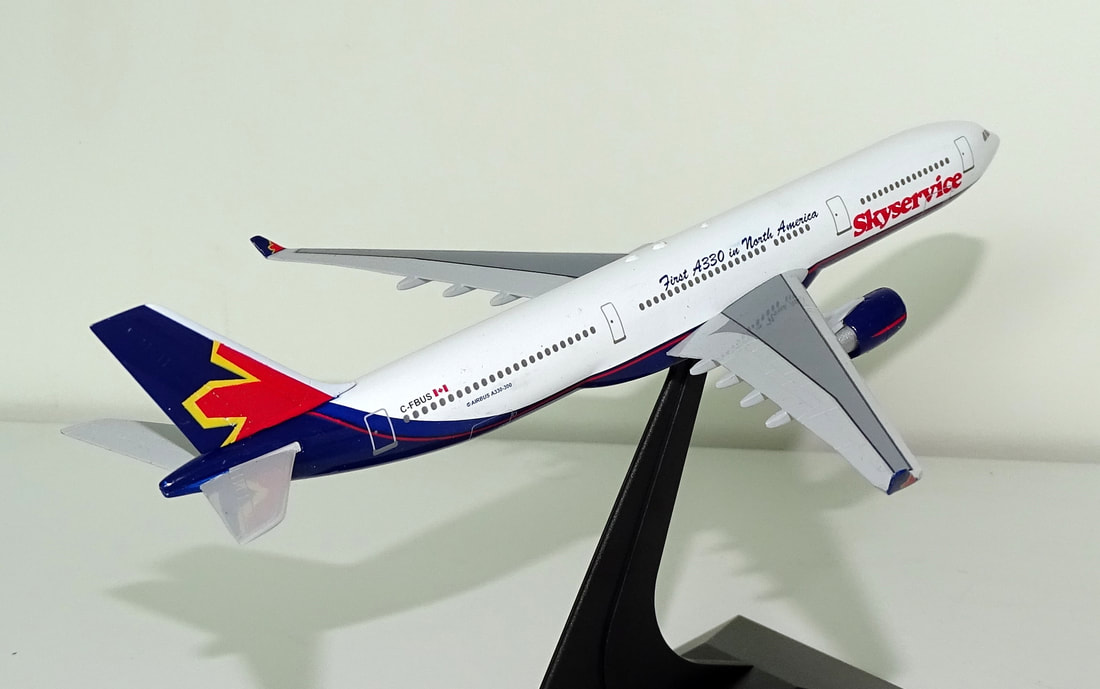
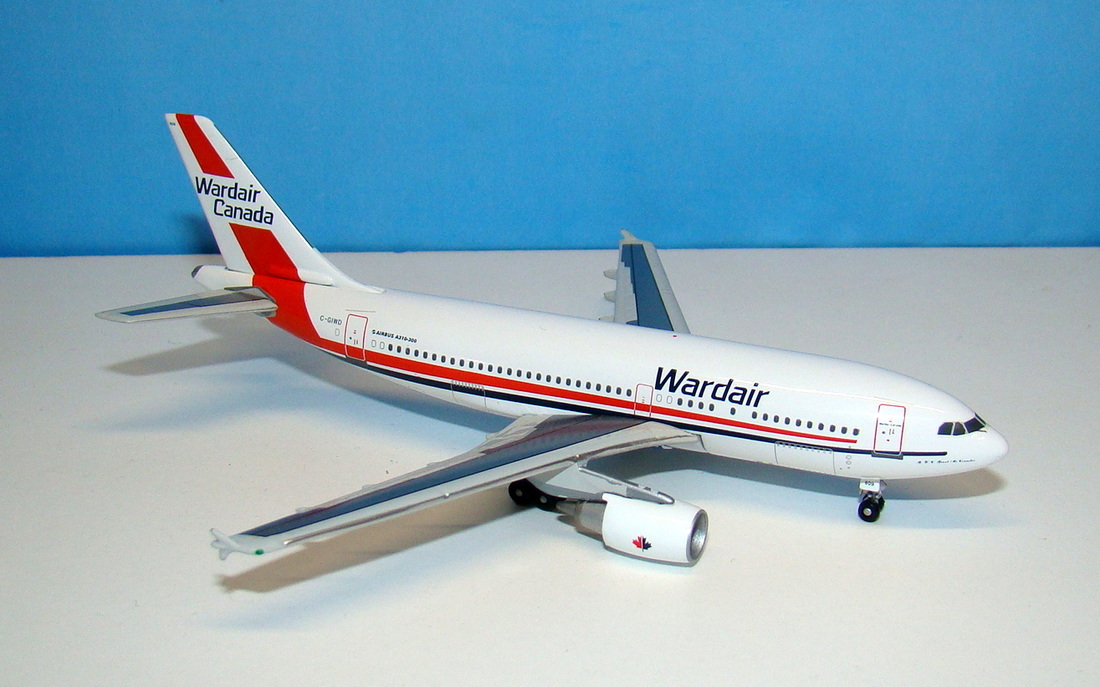
Following Canadian's takeover of Wardair in 1989 Canada 3000 would quickly grow to become Canada's largest charter airline and one that was consistently profitable too. At the turn of the century the massive changes wrought by the takeover of Canadian Airlines by Air Canada appeared to open up a space for C3 to become Canada's no 2 airline and part of that strategy involved acquisitions. However, C3 would soon live to regret its purchases and desperately try to offload them as it hit the turbulence of 2001.
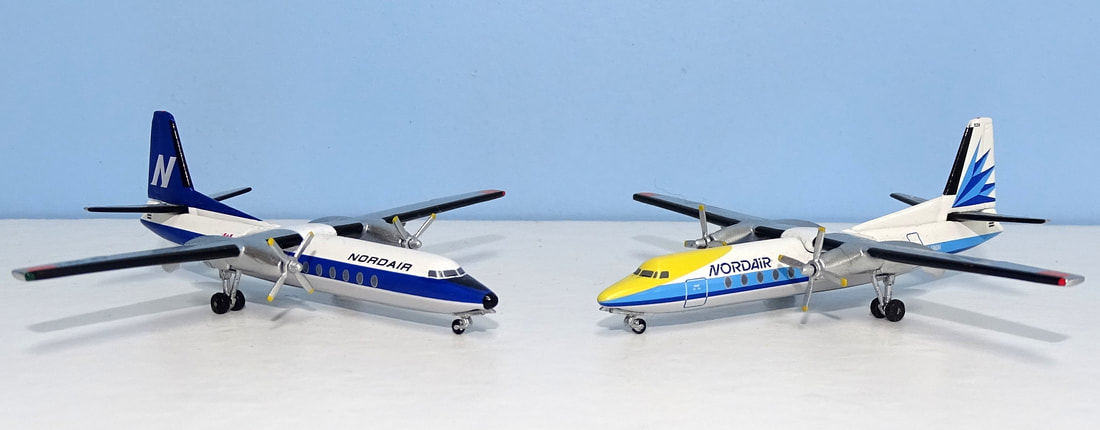
By 1970 Nordair was well-established as one of the five regulated regional airlines providing a variety of services both charter and scheduled. In the latter area Nordair had in 1969 been assigned Ontario, aside from the Northwest of the province, and Northwest Quebec as its area of scheduled operations to feed the routes of Air Canada and CP Air. The assignment of specific areas of operations allowed Nordair and the other four regional airlines to plan for growth and acquire modern aircraft.
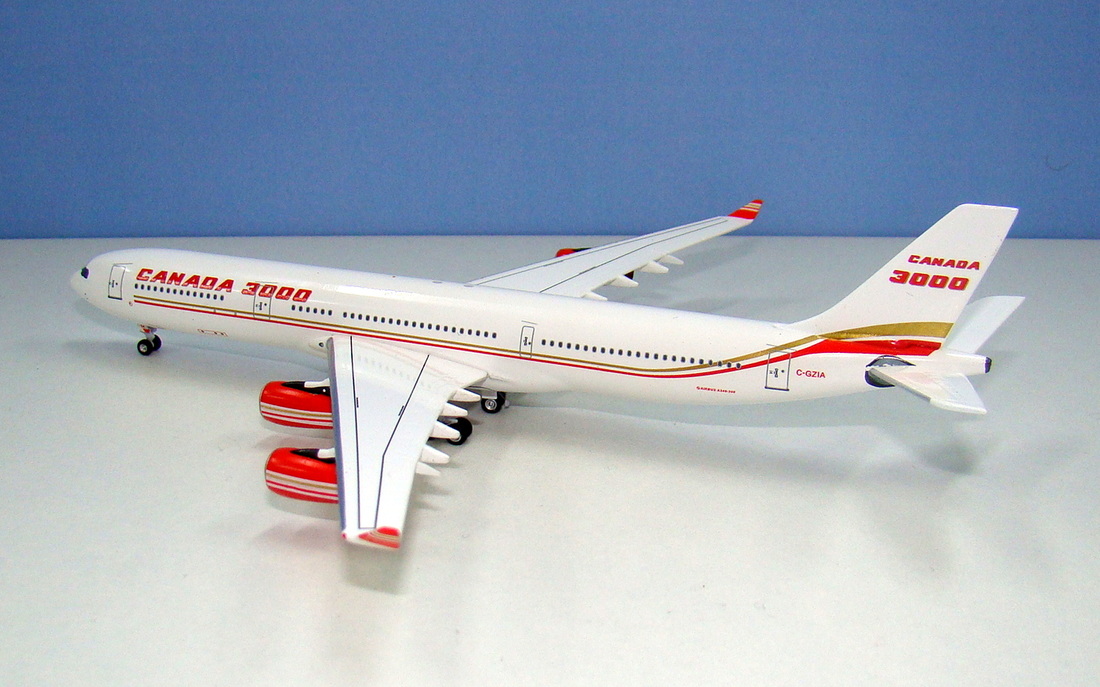 Deregulation has brought its share of turbulence to the Canadian aviation scene as it has elsewhere. With Canadian Airlines on the ropes as the new century arrived the charter airline Canada 3000 transformed itself into a new competitor for Air Canada. It stretched its reach to global destinations like India as well as scheduled domestic ops. Sadly for Canada 3000 it overstretched itself dramatically, resulting in a bizarre and unexpected collapse.
|
AuthorI'm Richard Stretton: a fan of classic airliners and airlines who enjoys exploring their history through my collection of die-cast airliners. If you enjoy the site please donate whatever you can to help keep it running: Archives
July 2024
Categories
All
|
 RSS Feed