Updated: November 2025
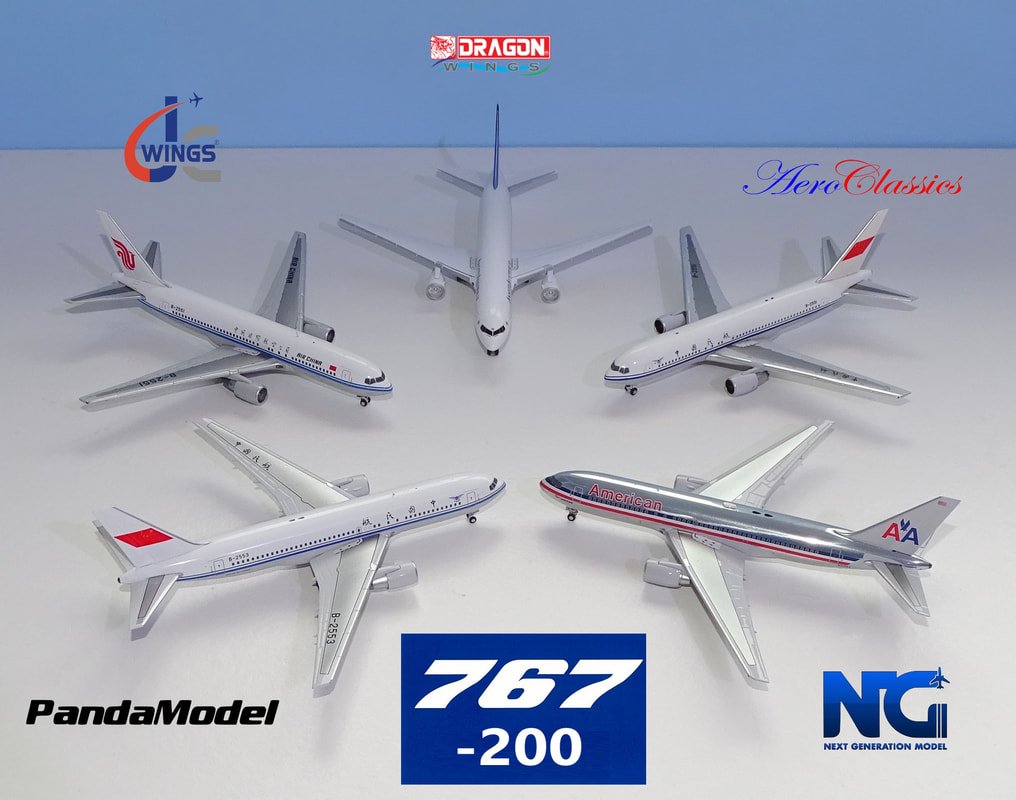
There’s suddenly a lot more competition for the humble 767-200 in 2025, with 2 new moulds in the past few years and the Aeroclassics mould still in quite heavy usage. The old Dragon mould dates all the way back from 2000 but remains a decent model so how far have the new moulds come and how do they compare to the older versions? Let’s find out.
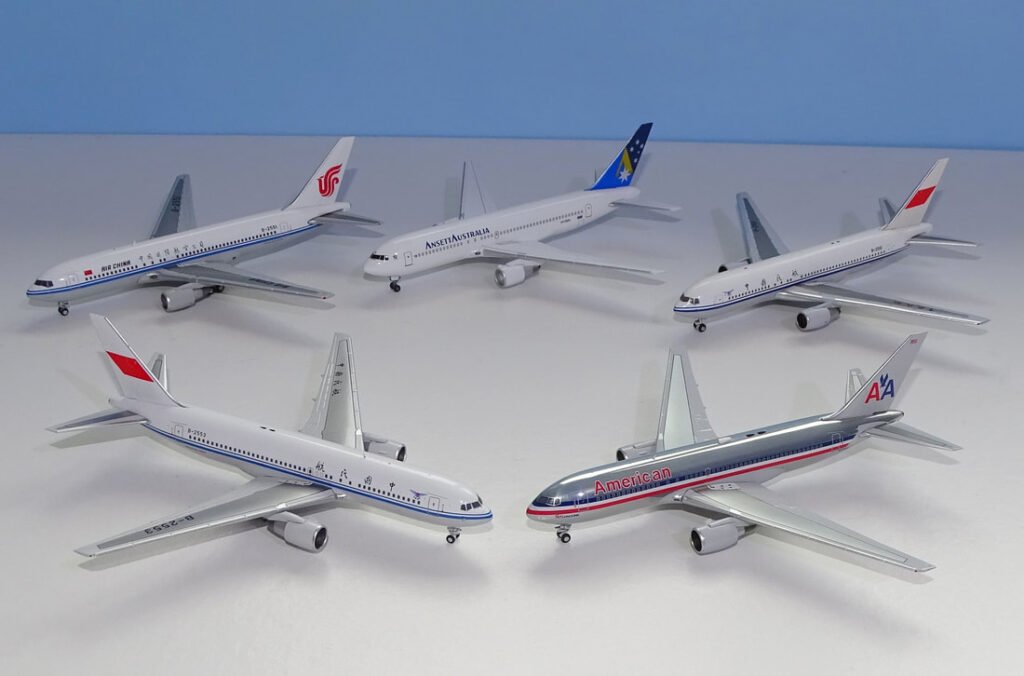
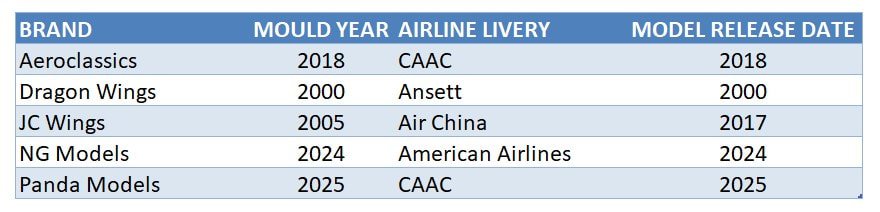
The models and moulds to be compared in this detailed comparison will be the following five from my collection:
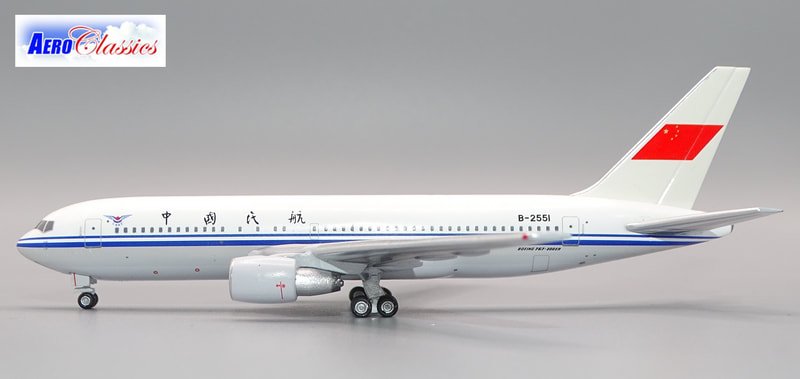
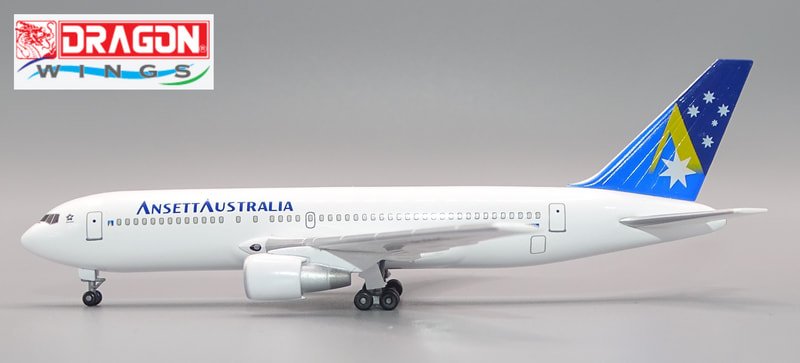
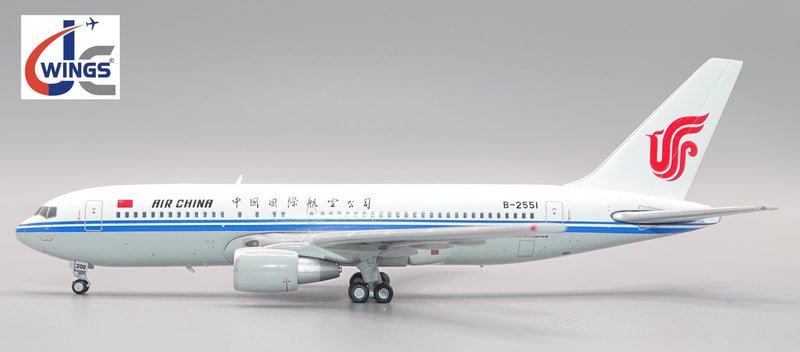
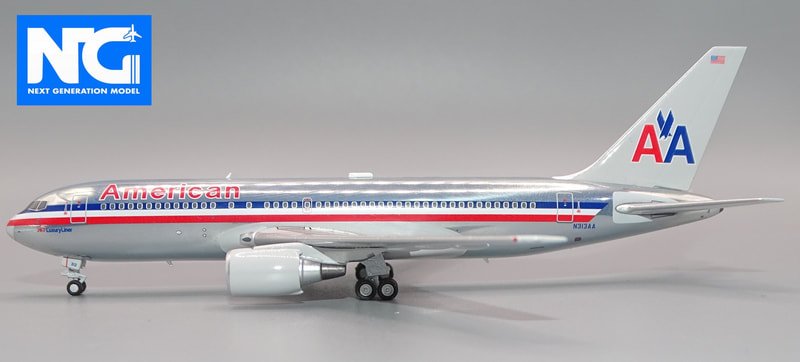
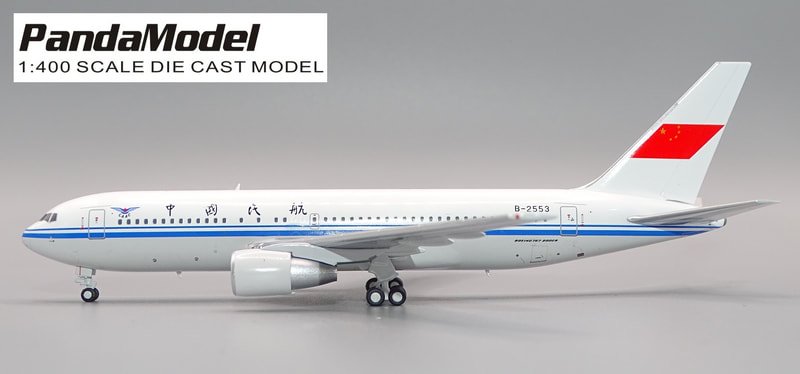
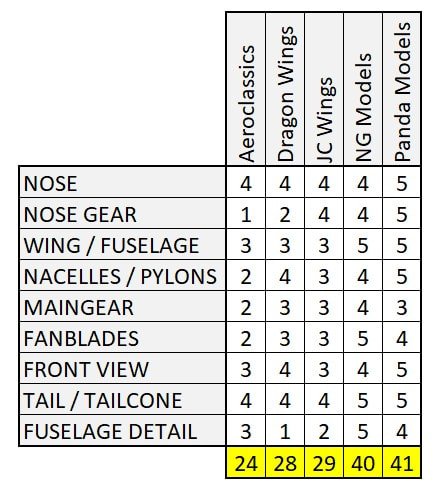
The review will take the form of a comparison of various areas of each mould to the real aircraft, with a score out of 5 alotted for each mould for each area. Adding the combined scores together gives you the winner.
Scoring
NOSE / NOSEGEAR
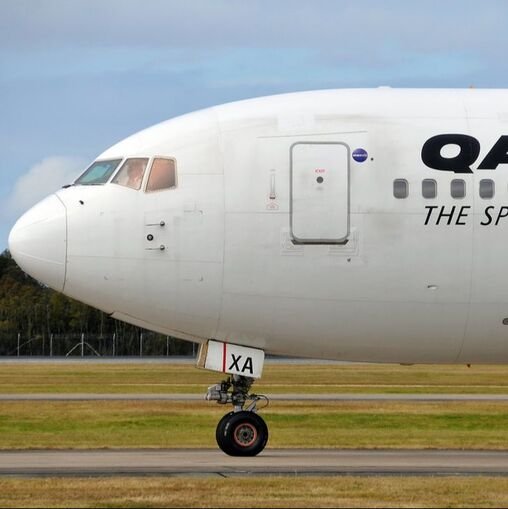
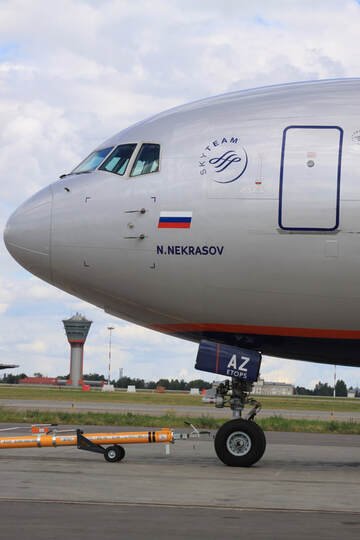
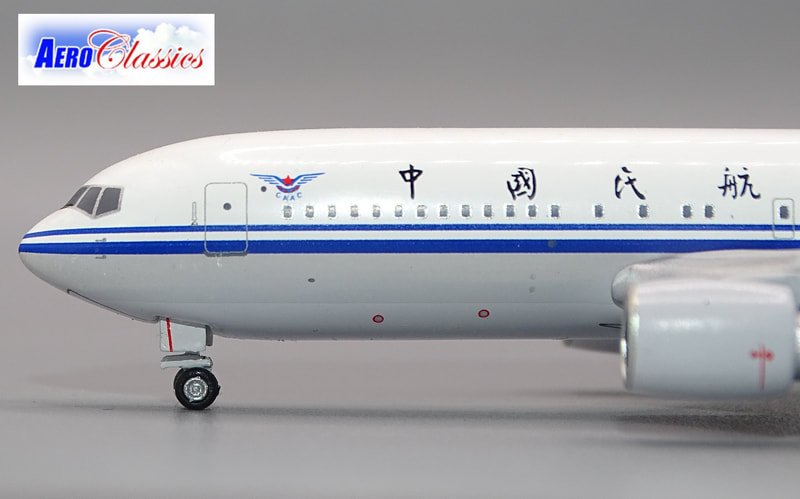
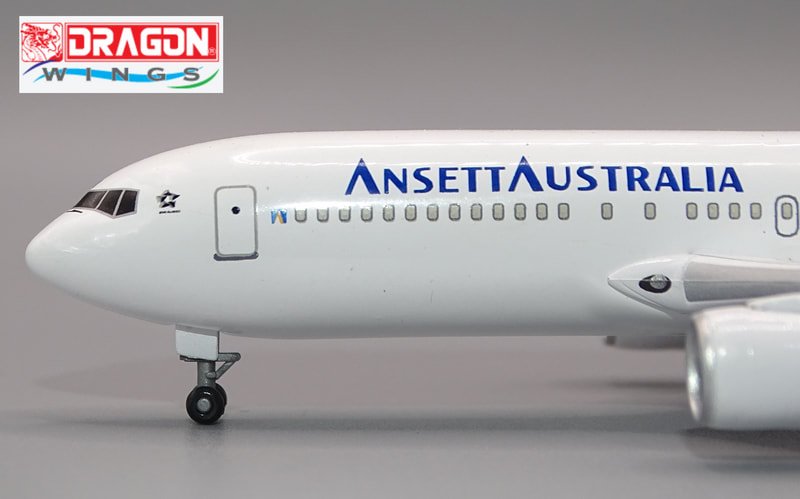
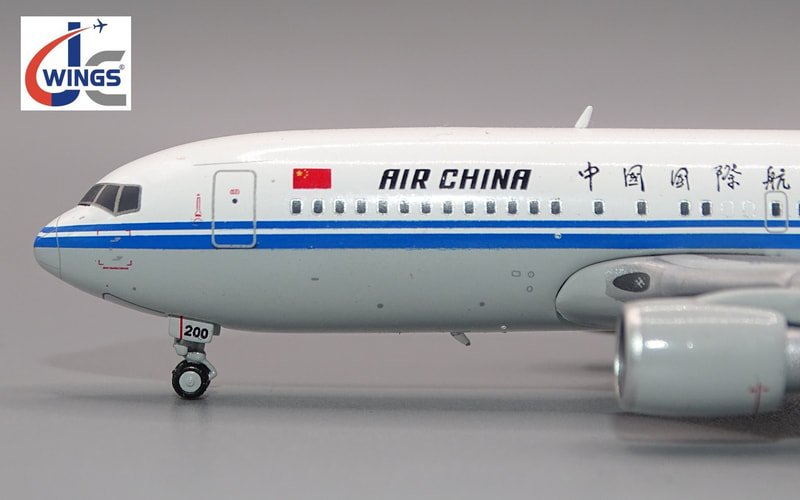
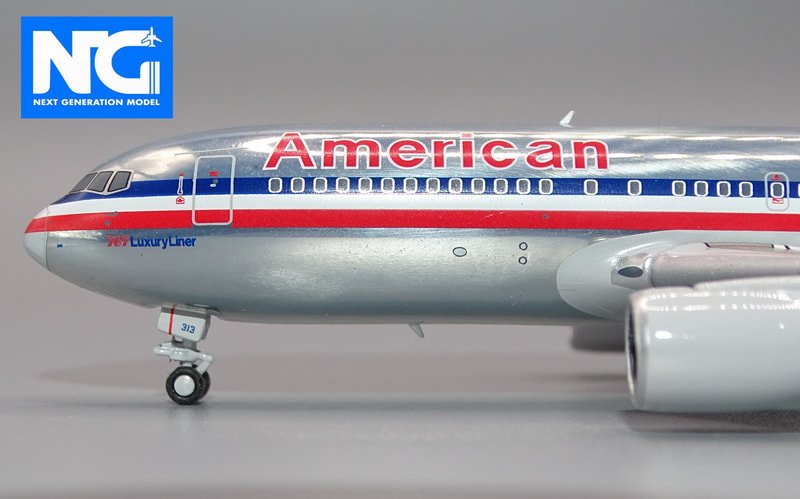
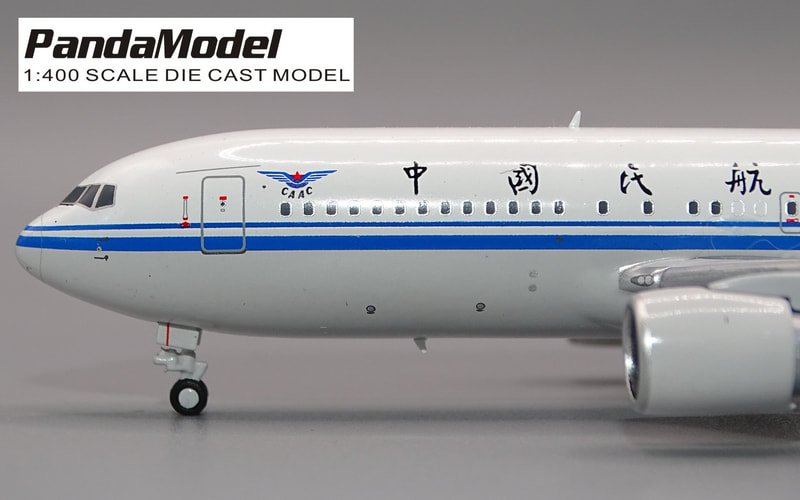
NOSE & COCKPIT: None of the moulds have a poor nose, but the cockpit printing definitely has an impact. The Panda Models version is near perfect in both areas. The cockpit print on the Aeroclassics, JC Wings and NG versions aren’t great at all, with oversized windows that are poorly positioned. Arguably the Dragon version has better cockpit print than those three. The nose shapes are all good with the Dragon being a little too pointy.
NOSEGEAR: The nosegear is one of the areas of most difference. The Dragon mould, being so old, has quite simple gear, but it has good sizing and height, albeit the torque link and steering tubes are too high on the leg and the gear door is the wrong shape. The Aeroclassics is arguably worse. The gear leg is chunky, too short, poorly detailed, gearsize is too large and the gear doors are oversized and ugly. The updated JC Wings gear is an improvement. The nosegear is well-sized and the gear leg well detailed, if a little short. The NG gear leg is excellent with the whole thing only let down slightly by the geardoors being rather recessed into the fuselage. That isn’t an issue on the Panda gearleg.

WING JOIN
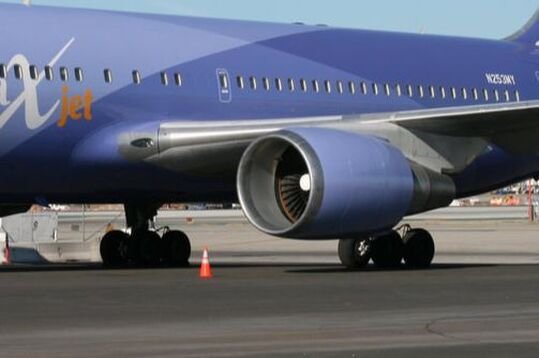
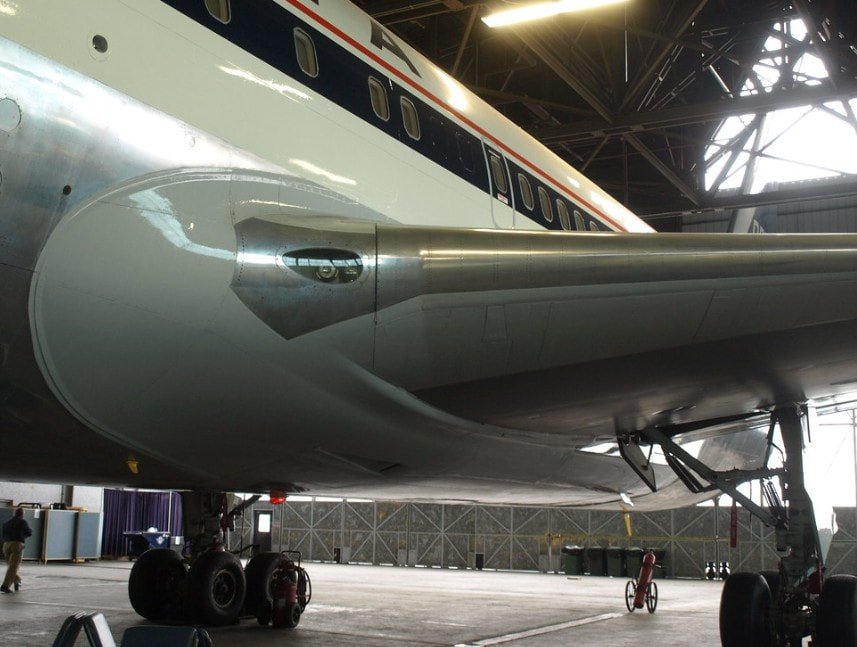
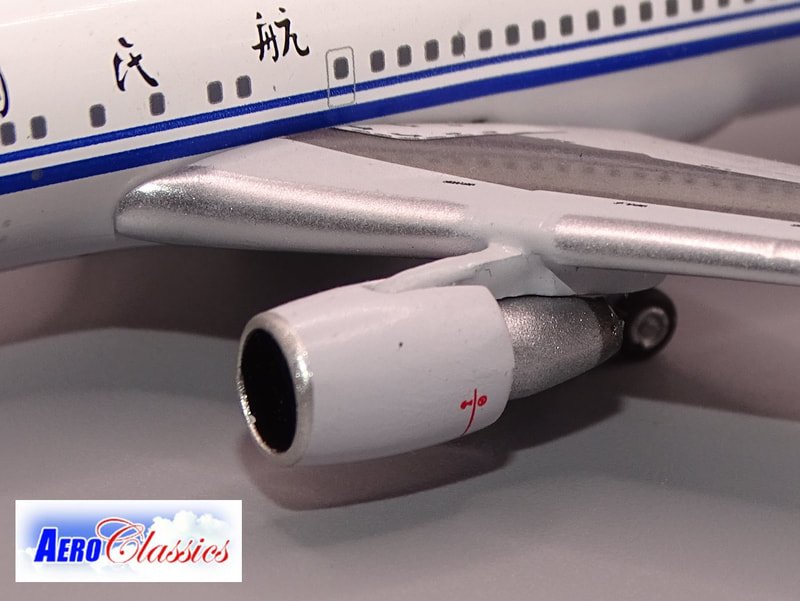
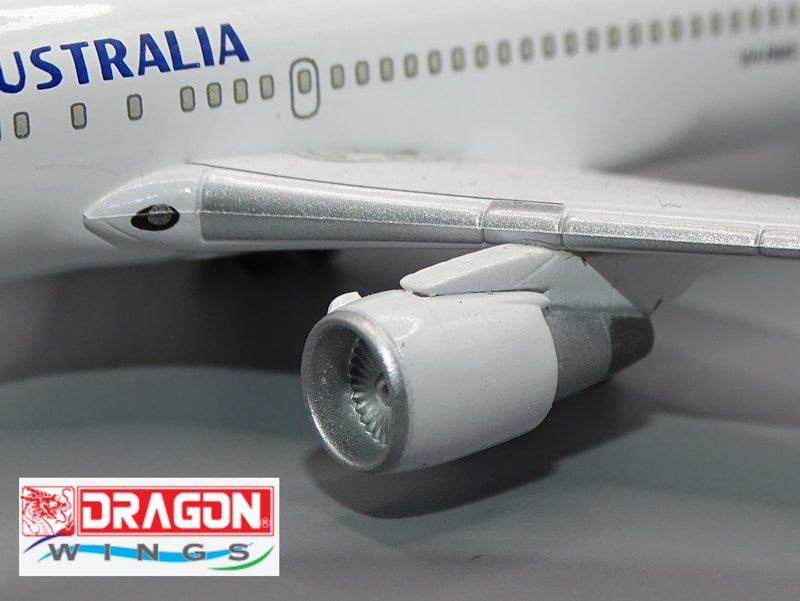
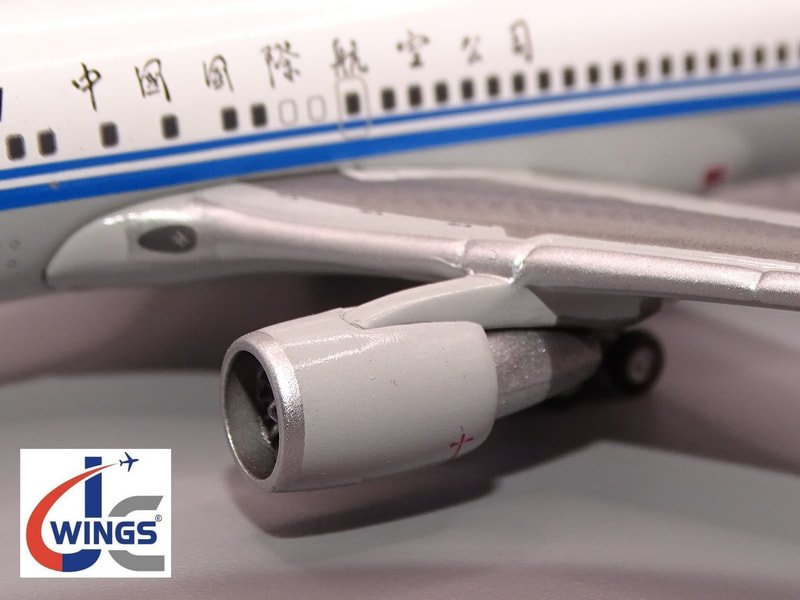
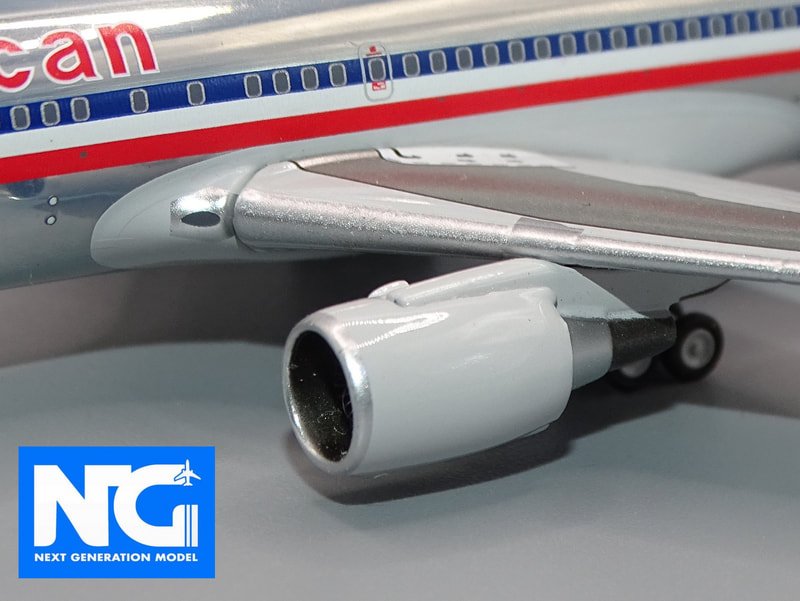
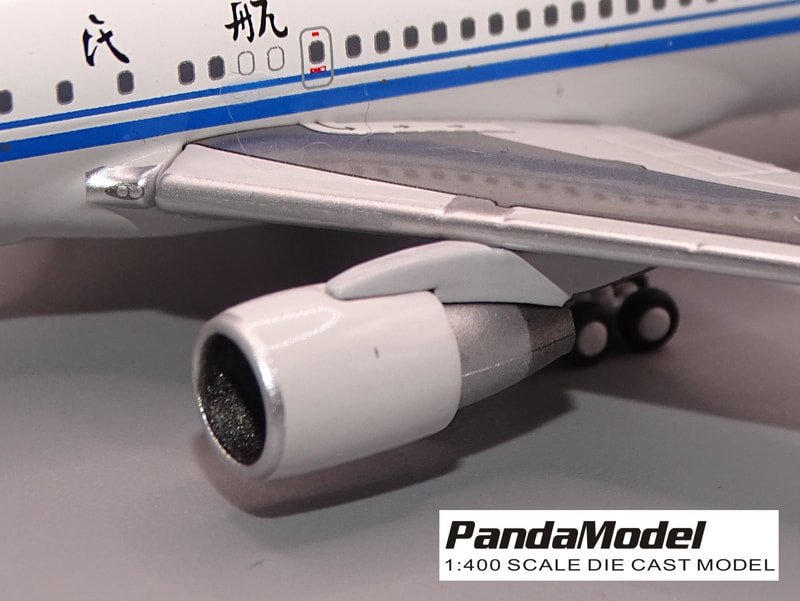
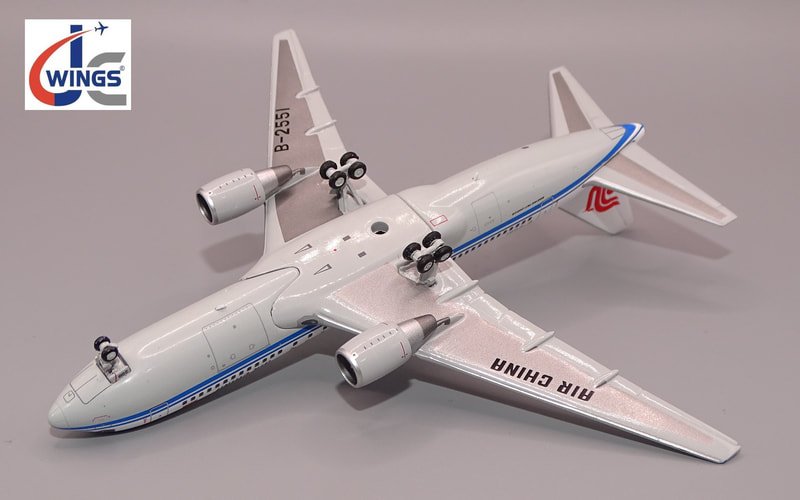
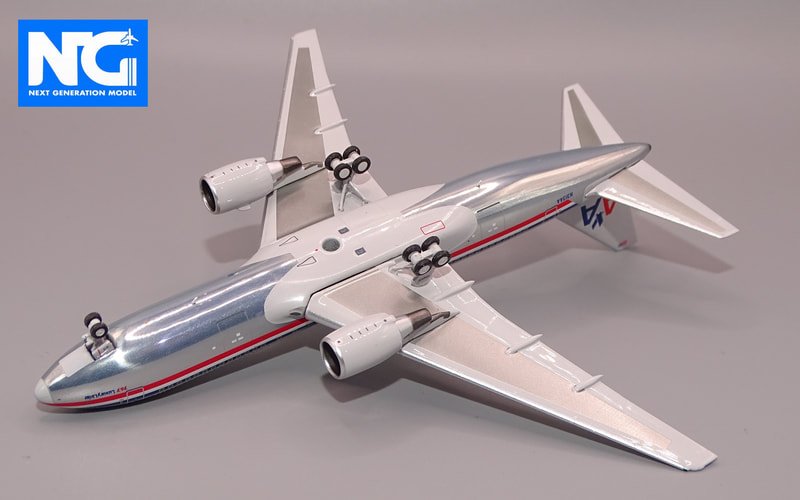
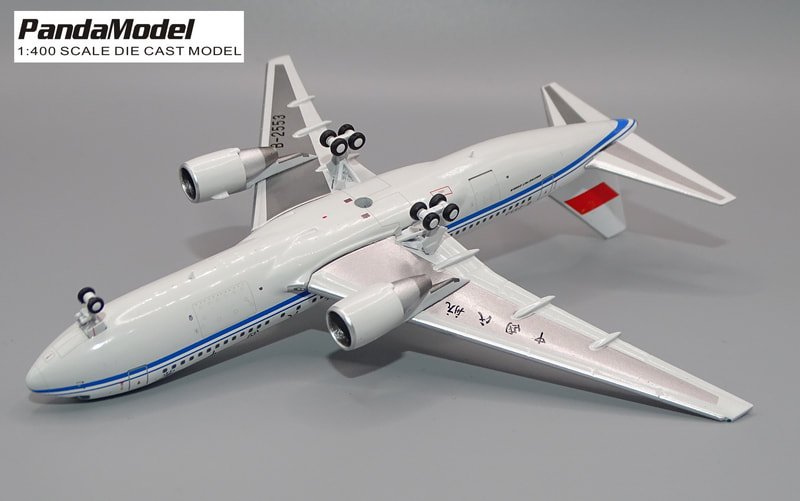
WING JOIN: The Aeroclassics mould has slot in wings but doesn’t really try to illustrate the shape of the fairing or the area around the landing light. It is worse than the Dragon Wings wingjoin, but that has an incorrectly too pointed fairing. The JC Wings is the only cradle mounted version so has a seamline. However, the seam roughly follows the shape of the fairing and the print around the landing light is good. The NG Models and Panda versions, being the newest, are easily the best with an attempt to model the area around the landing light and fairing properly.
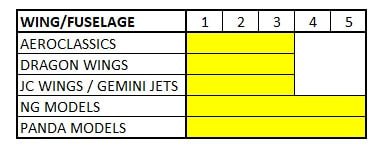
NACELLES & PYLONS
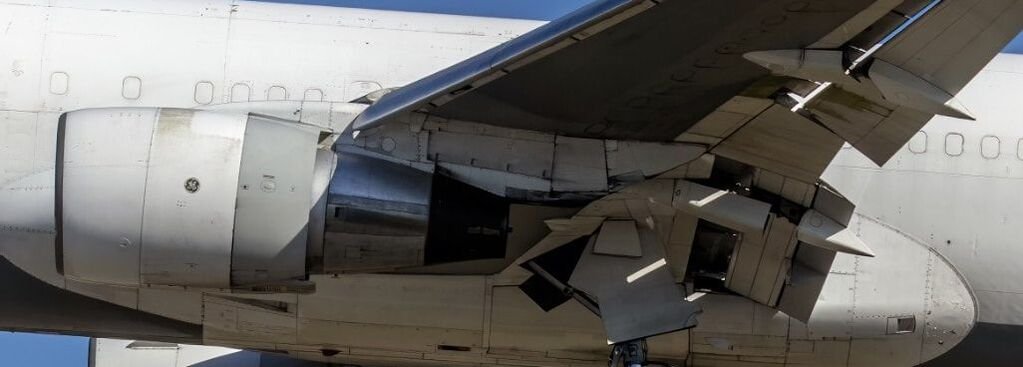
Above: General Electric CF6 Engines
Below: Pratt & Whitney Engines
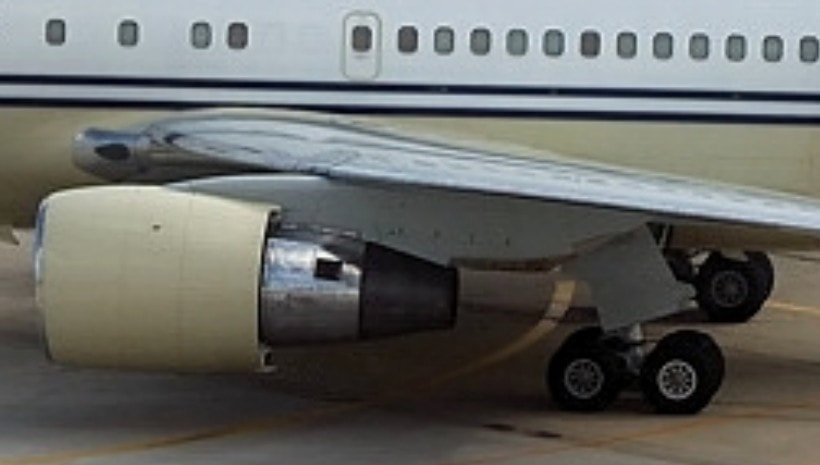
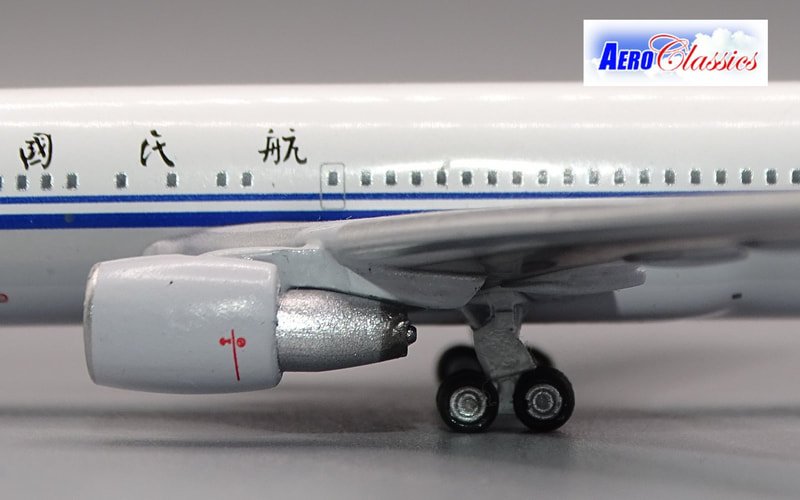
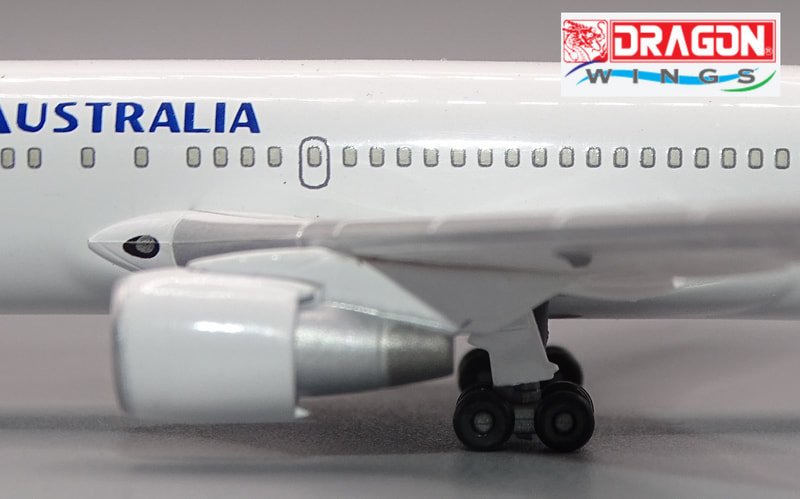
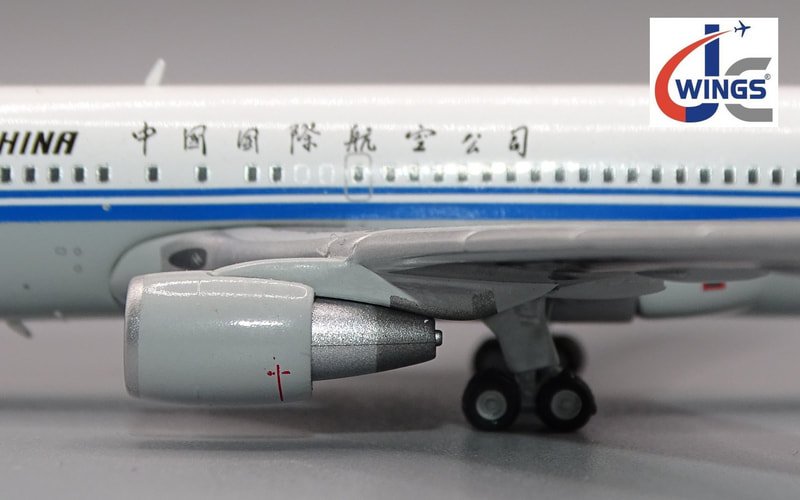
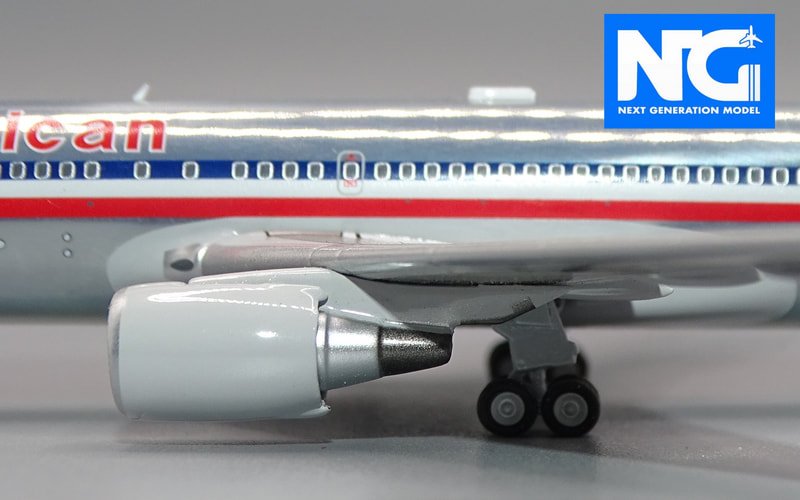
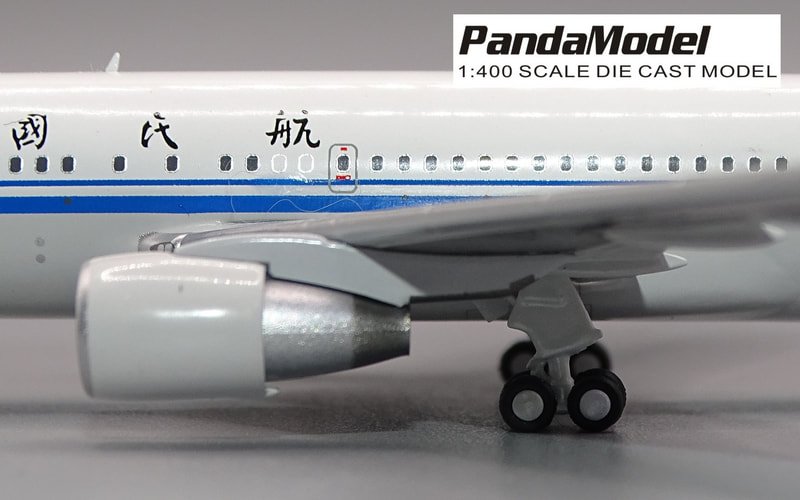
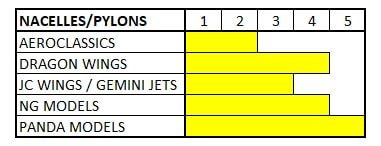
NACELLES & PYLONS: The Aeroclassics has engine pylons that have an incorrect shape under the wing and attach clumsily to the wing leading edge. They are quite shapeless. The nacelles isn’t much better. This CAAC should have Pratts but Aeroclassics uses a generic middle of the road mash-up engine. The hot section shape is wrong. Considering its age the Dragon pylons and engines are exemplary. The only real issue is the underwing shape of the pylon at the rear. The JC Wings engine and pylons is like a better formed version of the Aeroclassics. It still however has a rather blocky join to the wing leading edge, incorrect hot exhaust shape. The NG engines are CF6s and they have a separate mould for the engine with a longer nacelle. The hot section seems rather long and thin. The engine pylons are more modern but not curved enough above the nacelle. Lastly, the Panda engines and nacelles are the finest of the bunch. No complaints with them. It is worth also mentioning that the Aeroclassics and JC Wings engine nacelles lack the innerside fins (see photos in next section).
MAINGEAR & FANBLADES
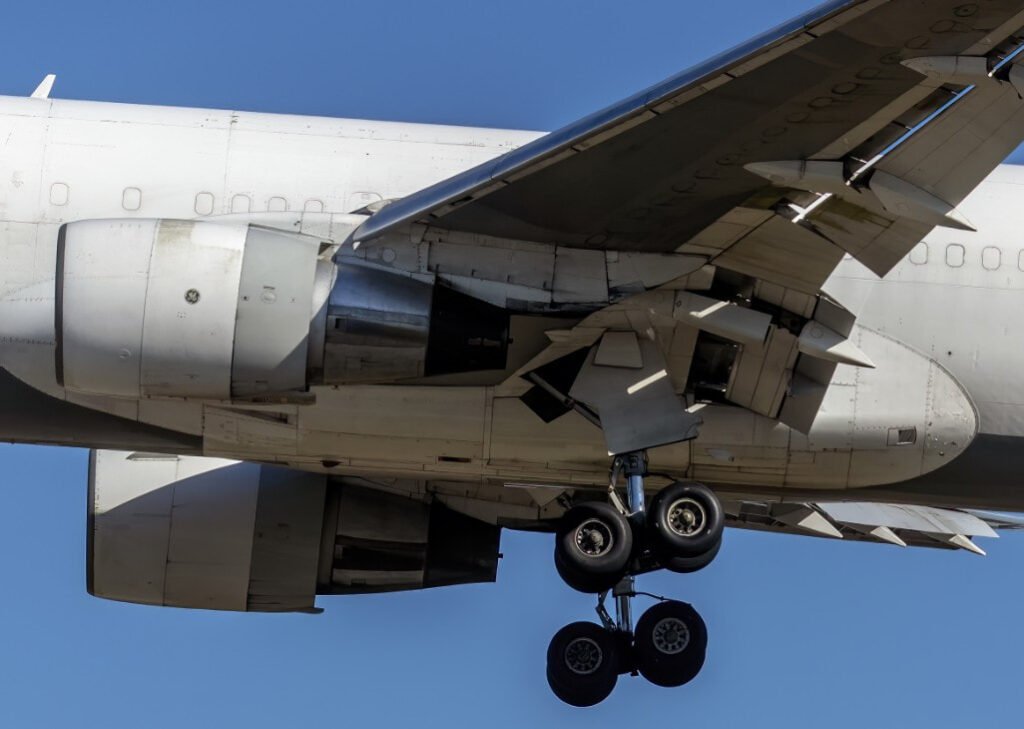
MAINGEAR: The Aeroclassics maingear is let down by the oddly shaped gear doors (see photos in above section), which are just an amorphous blob with nowhere near the correct shape on any side. The Dragon on the other hand has excellent maingear doors, but simple plastic gearlegs and tyrehubs. The JC Wings has better tyrehubs but the gear doors aren’t as well shaped as the Dragon. They’re still much better than the Aeroclassics though. The maingear on the NG Models is near perfect except the tyres are slightly too close together. The Panda version is decent but the geardoors show too much of the gearleg and could do with being more angular. More detailed tyrehubs would be nice too. From the front the NG and Panda have the best detail and internal struts, however the Panda versions seem to have an issue with leftover residual gash filling up the empty spaces. The Panda maingears are the only ones to also include the small inner door elements. One last point about the Panda maingear is they seem to be set very slightly further back than any of the others.
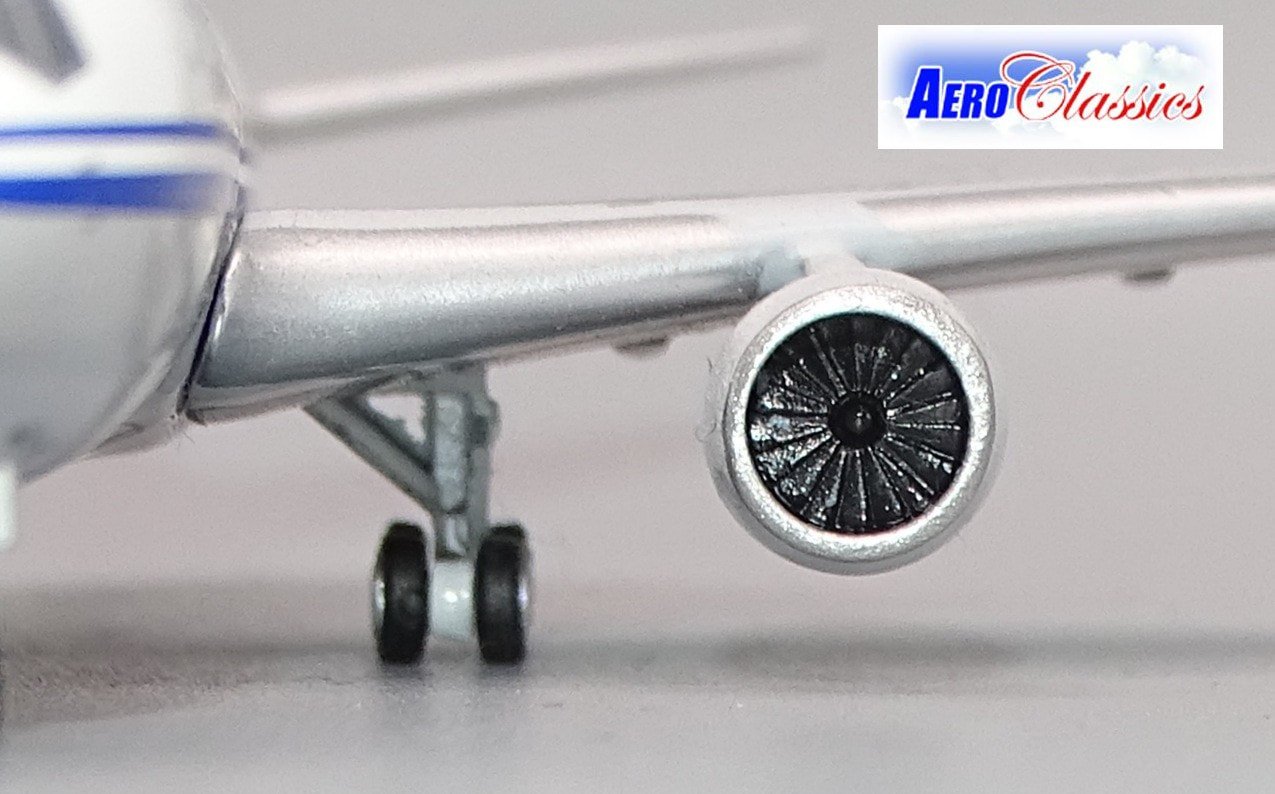
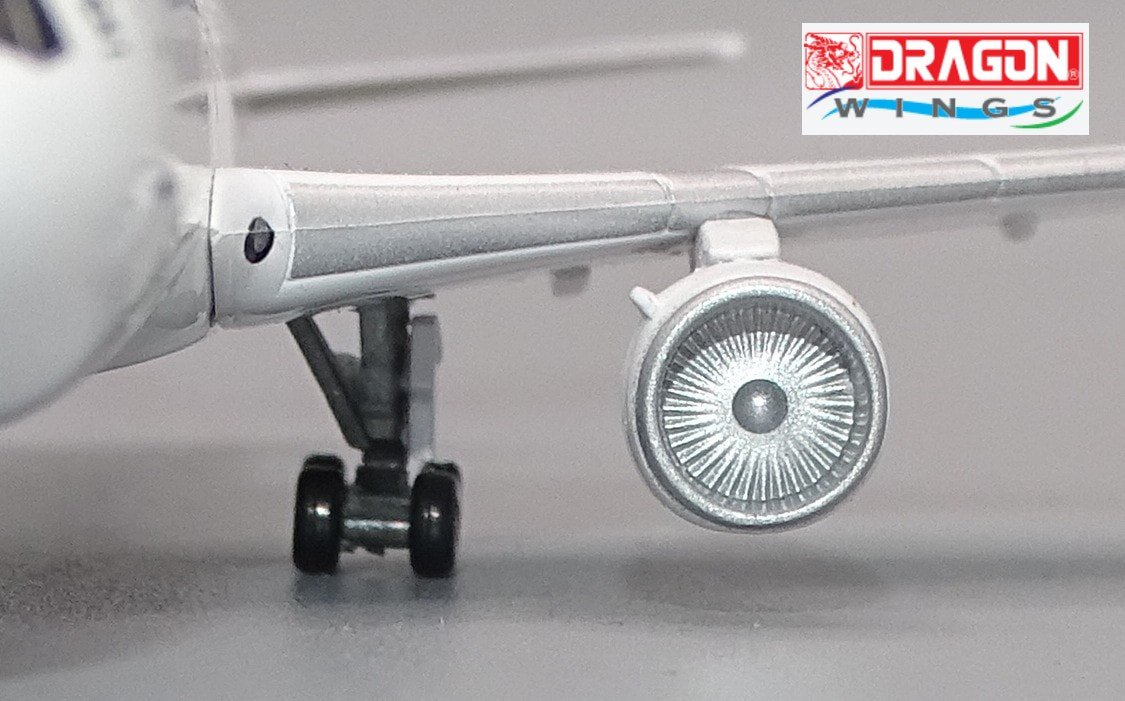
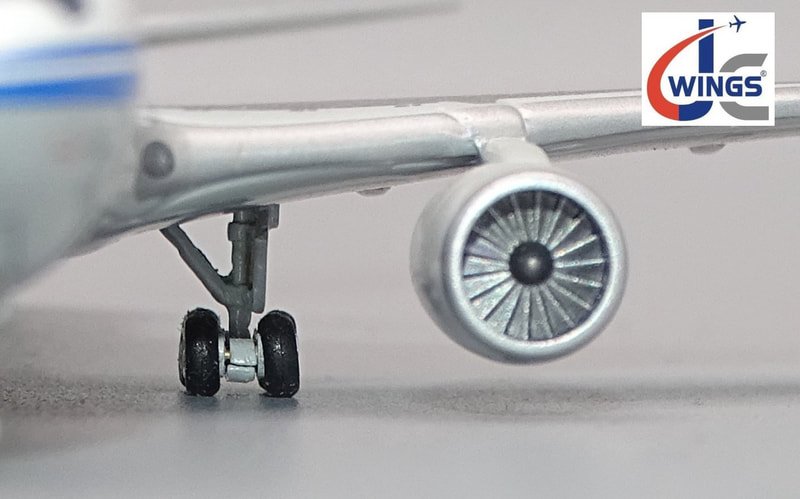
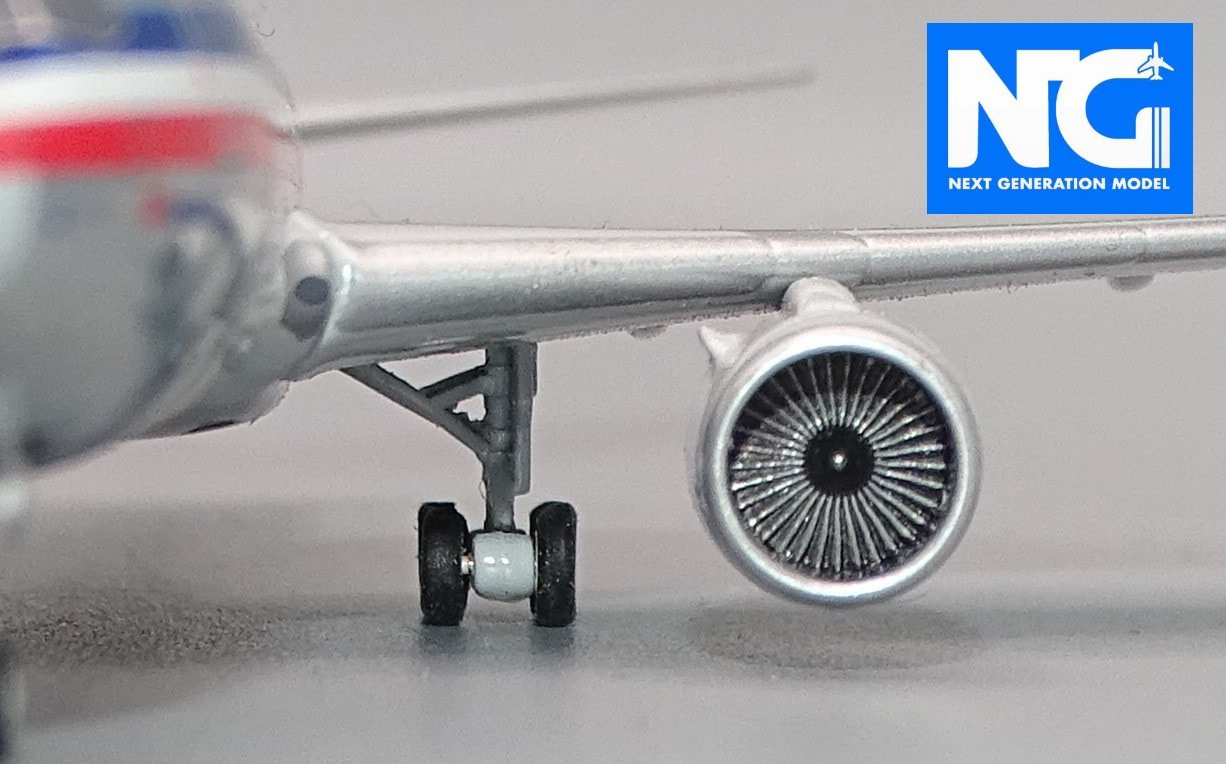
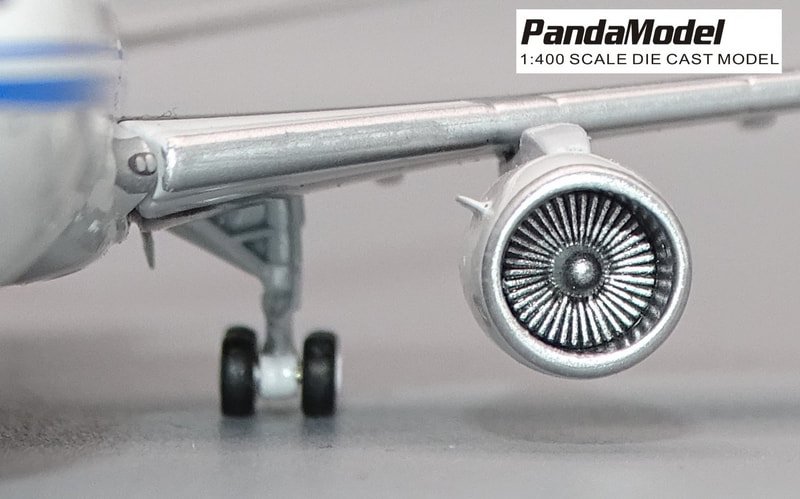
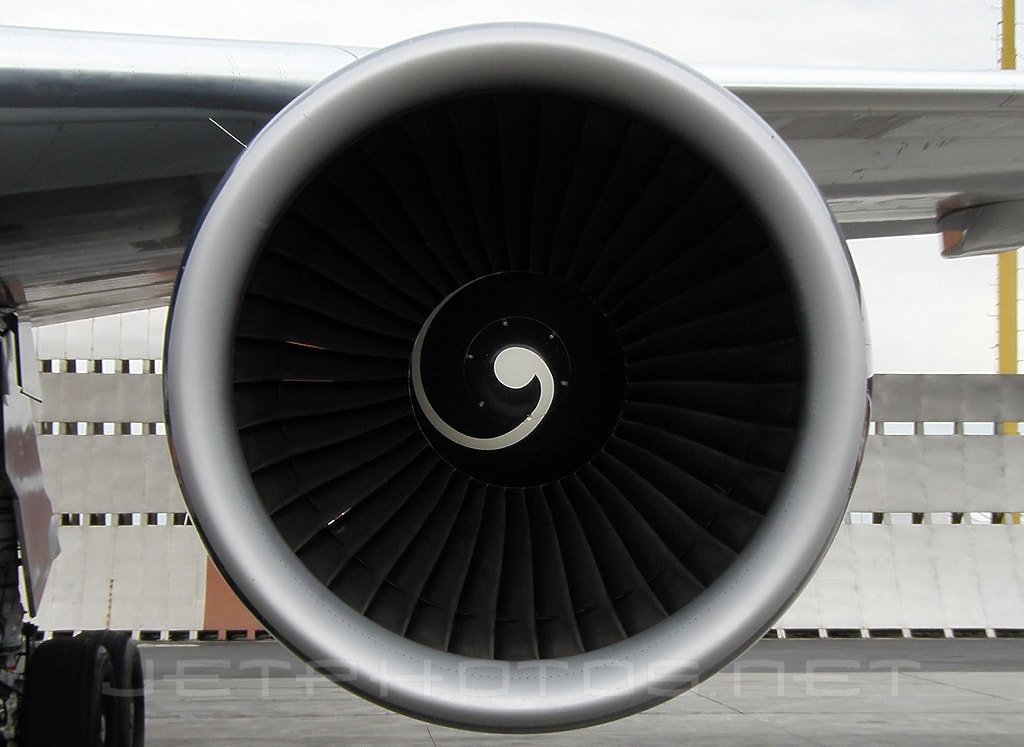
FANBLADES: The Aeroclassics engines seem oddly narrow at the front and painted completely black don’t have enough fanblades. The Dragon’s are better, although the fan detail dissipates towards the spinner. The JC Wings engines have similarly wide fanblades as the Aeroclassics i.e. not enough of them. Fan numbers are much better on the Panda, but the detailing isn’t as good as on the NG Models version. This has easily the most accurate detailing.

FRONT CROSS SECTION
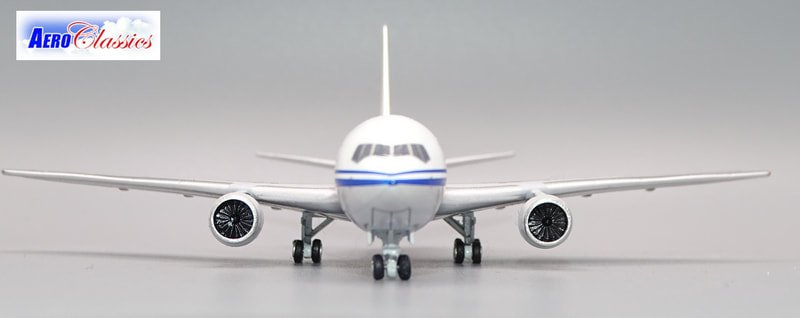
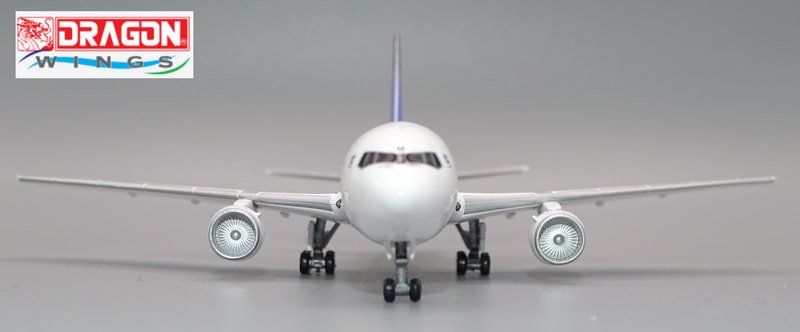
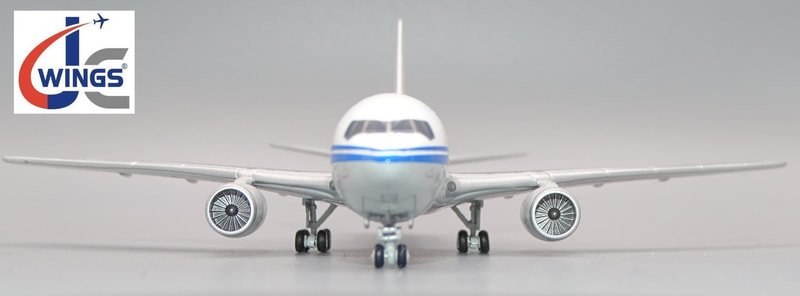
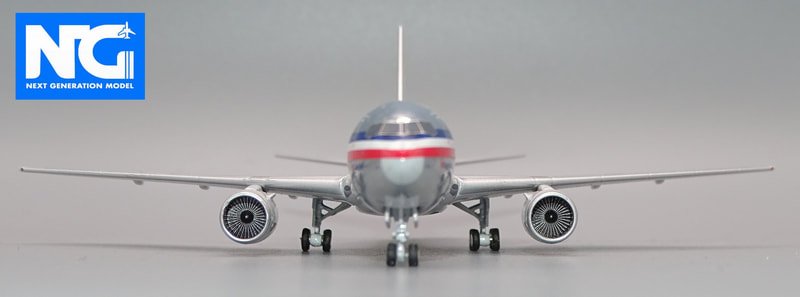
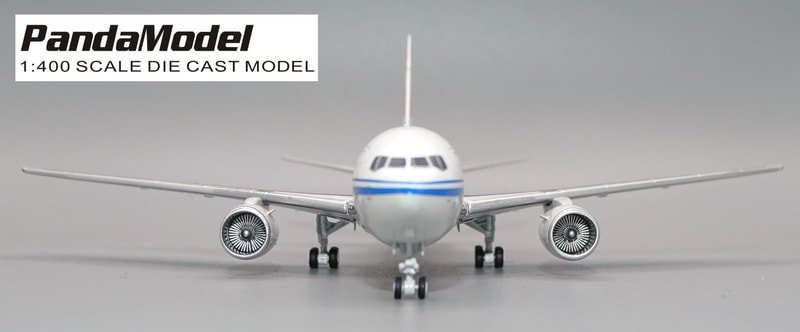
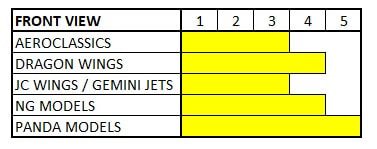
FRONT CROSS SECTION: From the front the Aeroclassics chunky undercarriage and engine to wing fix standout. Also note how wide the nose undercarriage doors are. The Dragon looks great from the front, even better than the JC Wings, which has similar wide nosegear doors and chunky engine/wing joins as the Aeroclassics. The NG looks good aside from the wings rather lacking enough dihedral. Once again the Panda looks the best from the front and has noticeably better dihedral than the NG.
TAIL & TAILCONE
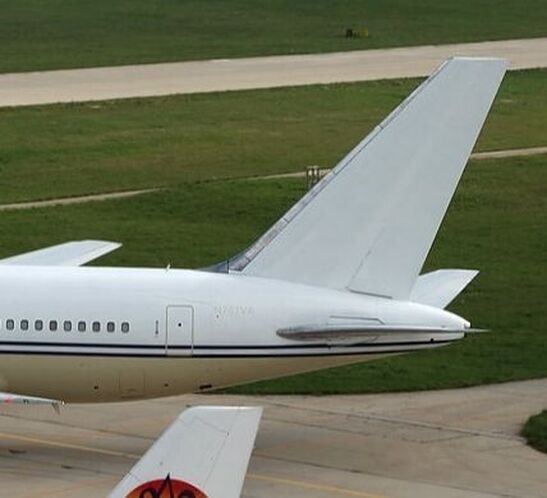
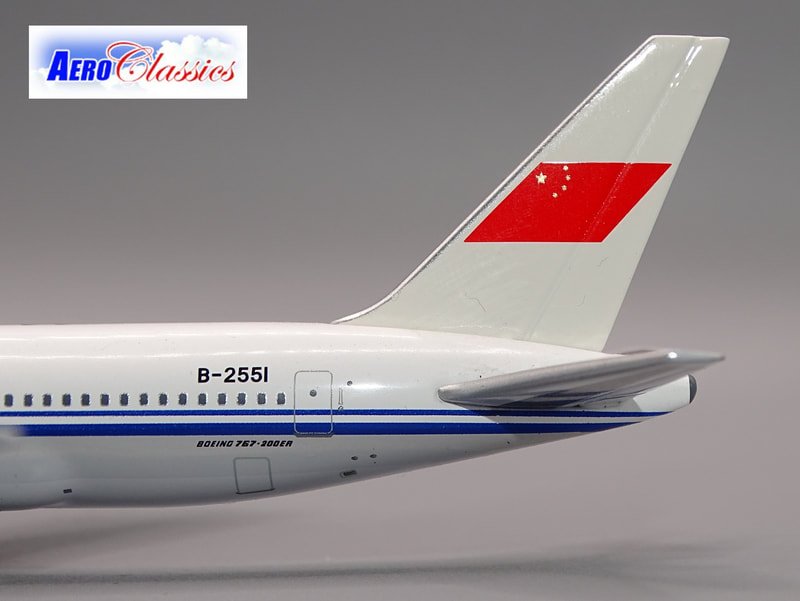
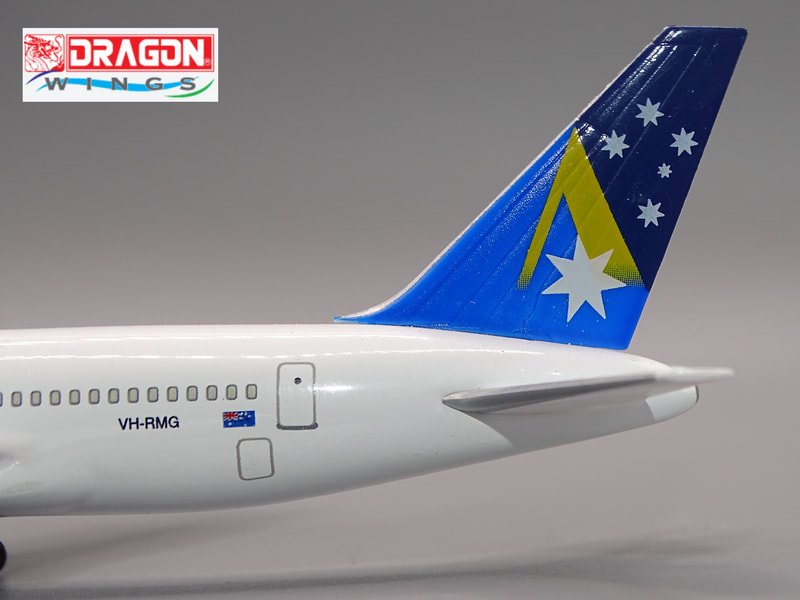
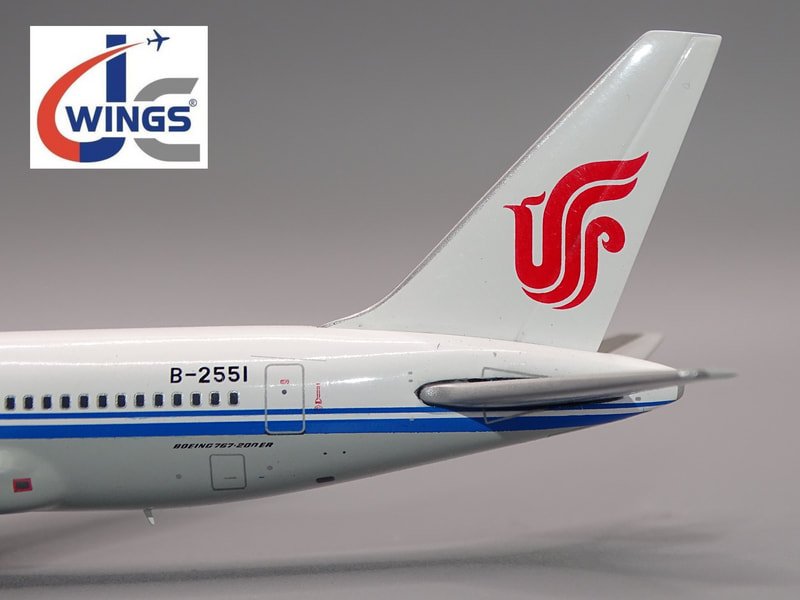
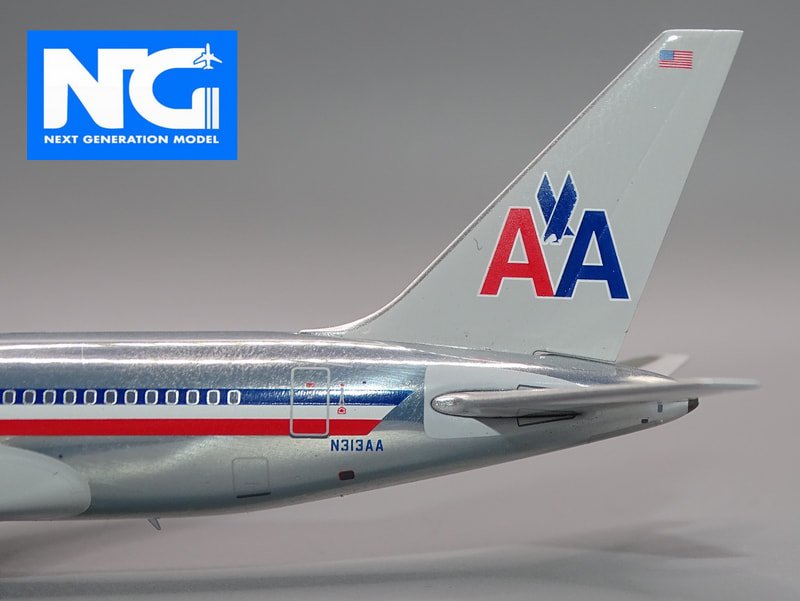
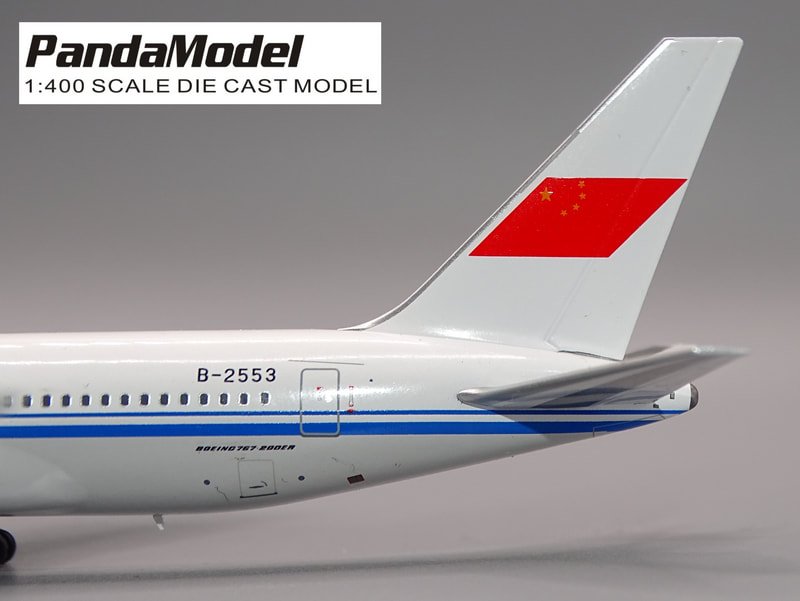
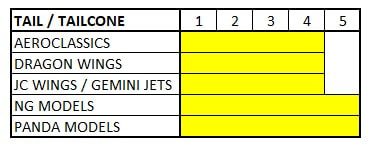
TAIL & TAILCONE: The older 3 moulds do not have a free rudder join to the fuselage and the Dragon’s tail join to the fuselage isn’t great, but aside from that the rears all look good. The NG and Panda versions are faultless.
UNDERSIDE DETAILING
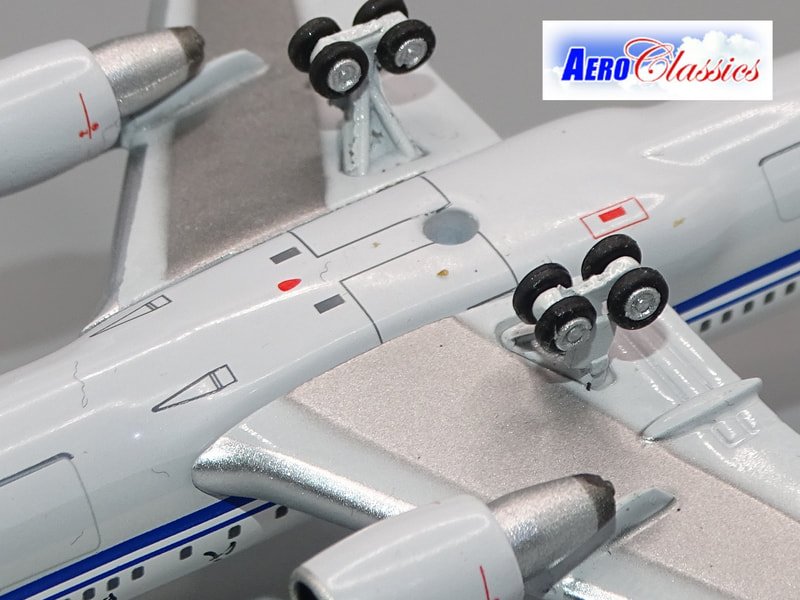
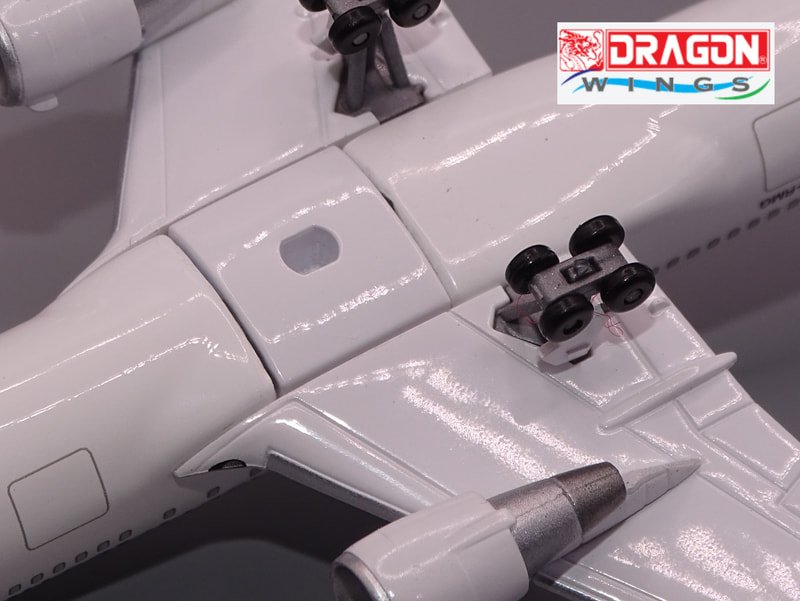
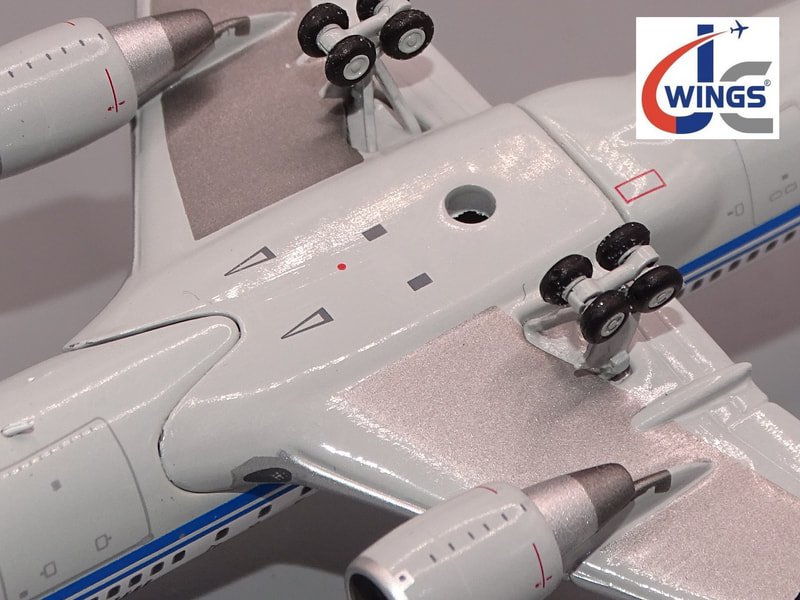
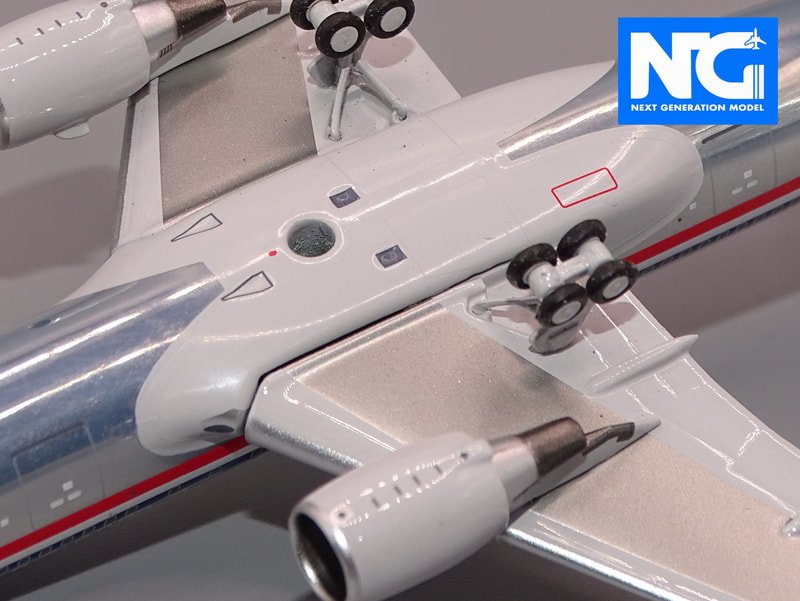
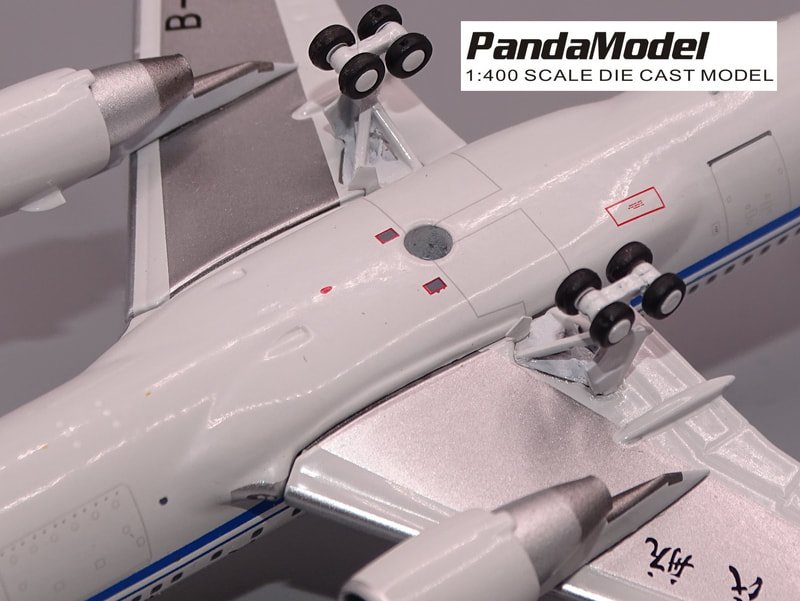
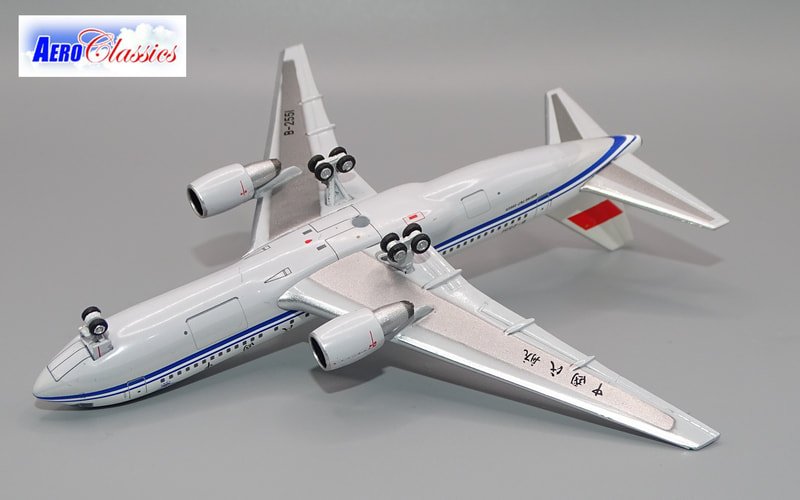
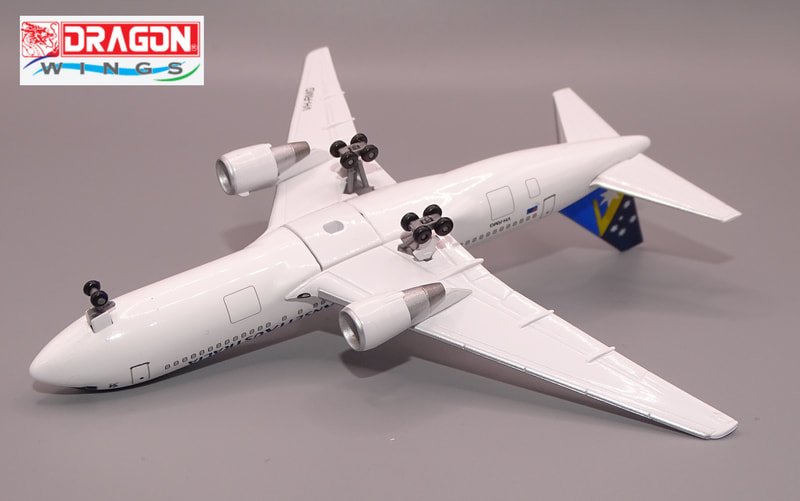
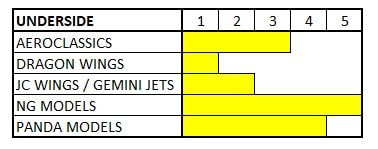
UNDERSIDE: Although the Aeroclassics is a seamless mould the underside rather lacks detail. The NACA intakes are printed on and are incorrectly placed. Rather than being offset to port they are both equidistant. The Dragon suffers from having its seams on the underside and has no other detailing at all. The JC Wings has the major seam lines also and like the Aeroclassics prints the NACA intakes, without replicating their asymmetric pattern properly. The NG mould has excellent underside detailing, no seams, moulded in NACA intakes with added print detailing. The Panda is almost as good but the NACA intakes, although moulded in aren’t as well shaped as the NG.
Summary
In conclusion none of these 767s look bad from distance, however in close-up the Aeroclassics is rather unrefined. Improving it should be quite easy as the basic fuselage and wings are fine. New nosegear, maingear doors and engines would go a long way, but as it is, it is inferior to the ancient Dragon mould.
The updated Gemini mould, used by JC Wings is as old as the Dragon and despite its seamline keeps a decent score. The two newer moulds are way out in front as you would expect.
It is close between the NG and Panda, but at present I believe the latter wins, especially when it comes to cockpit printing and wing dihedral. Then again, there has only been a single release on the NG mould to date.
The Panda mould is sound across the board, with my only concern being the maingear position.