Updated: March 2026
The Airbus A330 has done wonders for Airbus and the fact that the type has successfully produced a new generation family, despite the existence of the A350, shows that Airbuses’ original A350 design wasn’t as far wide of the mark as it seemed back in 2004 when they first suggested a warmed over A330 series. At the time this was seen as a band-aid response to the 787, but over the next decade the A330 successfully competed against the 787 in its ceo version and the arrival of new engines allowed the launch of the A330neo in 2014. Initially sales were slow, but in recent years they have picked up markedly and over 470 are now on order (almost entirely the series 900).
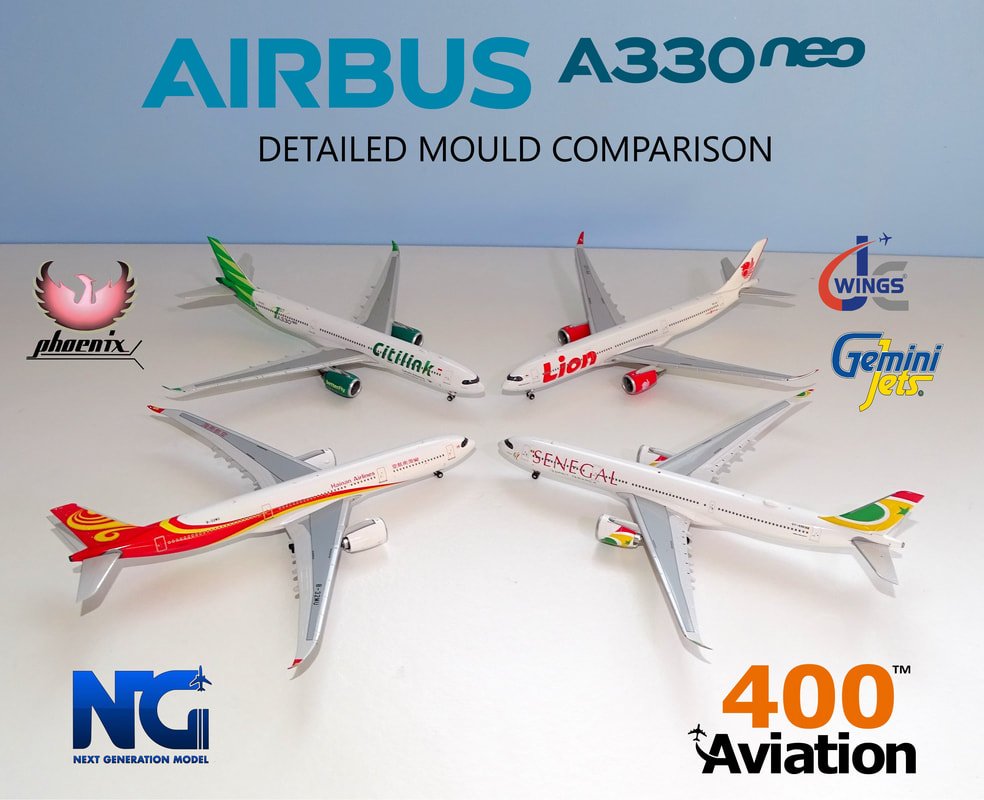
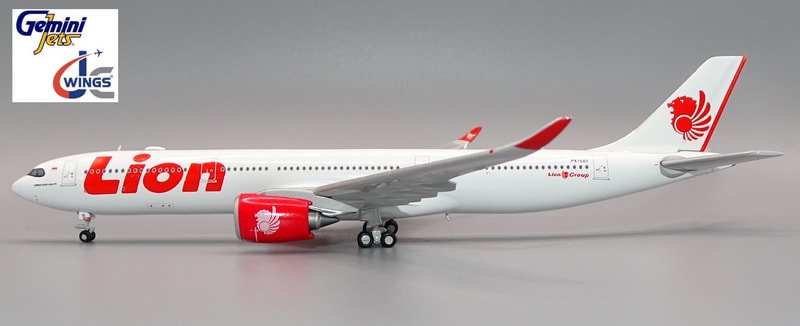
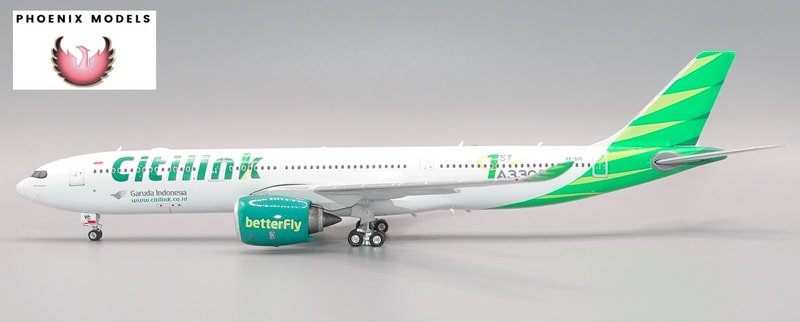
The aircraft itself is basically a standard A330 with a redesigned wing and the giant new Rolls-Royce Trent 7000 engines. The new sharklets on the wing bear a strong resemblance to those fitted to the A350. In 400 scale interest in the A330NEO has parallelled that of the real world. Initially on Phoenix and JC Wings showed interest, but there are now 4 moulds for the series 900 and 3 for the series 800.

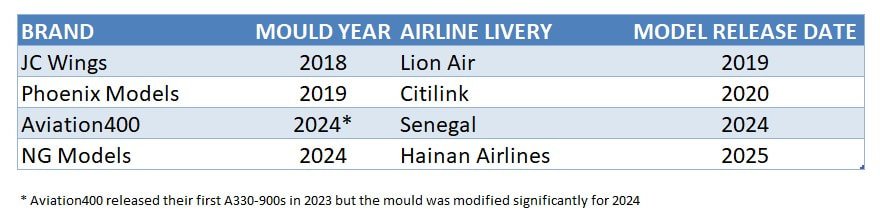
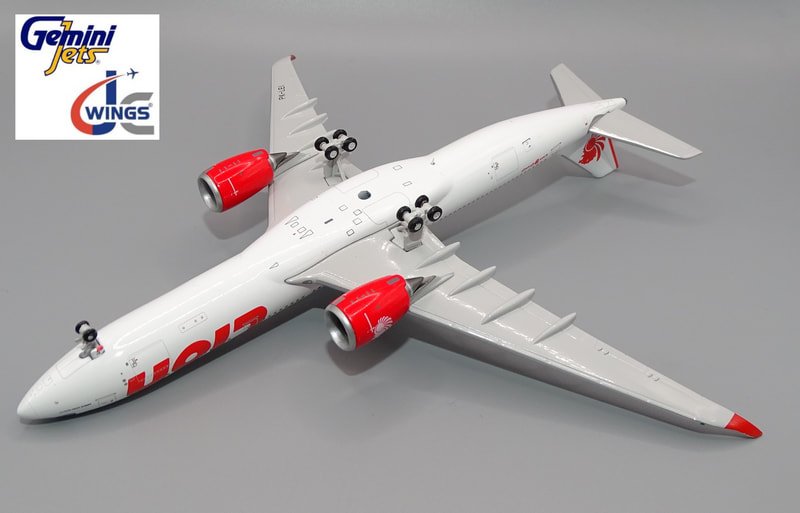
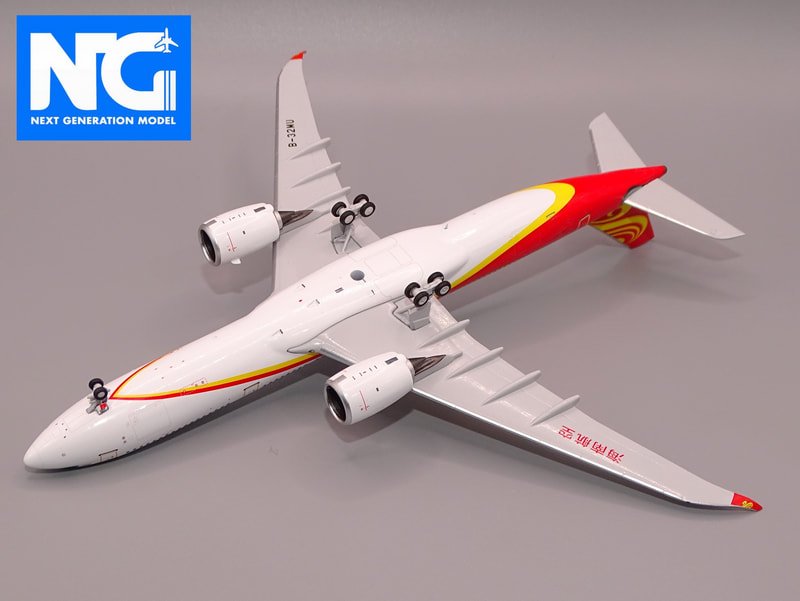
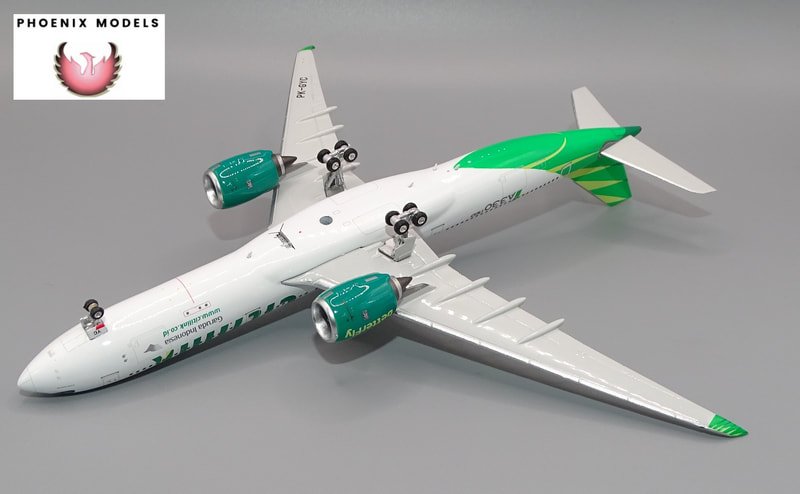
The moulds to be compared in this detailed comparison will be the following four from my collection:
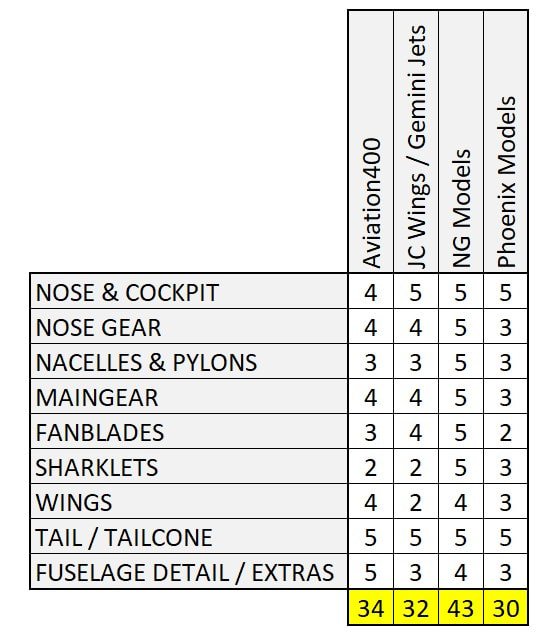
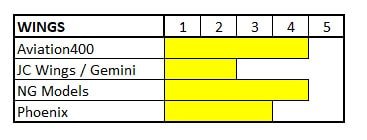
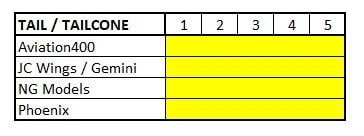
NOTE ON SCORING: The review will take the form of a comparison of various areas of each mould to the real aircraft, with a score out of 5 allotted for each mould for each area. Adding the combined scores together gives you the winner. I generally try and score by knocking a point off for each issue, sometimes two depending on my opinion of seriousness. No mould is perfect but these are 400 scale models, there are limits to how perfect a mass produced model can be.
Obviously this is my opinion, hopefully backed up by evidence. I don’t expect you to agree with everything so take the scoring as a guide – maybe try your own along the way and see what result you get?
Scoring
NOSE / NOSEGEAR

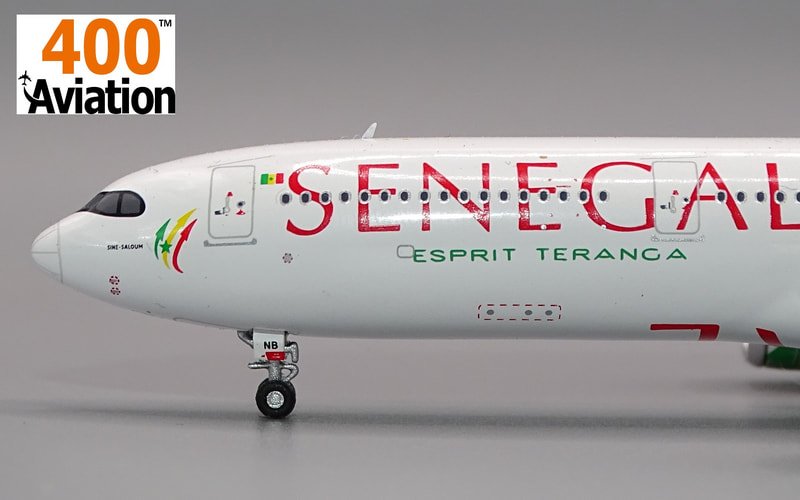
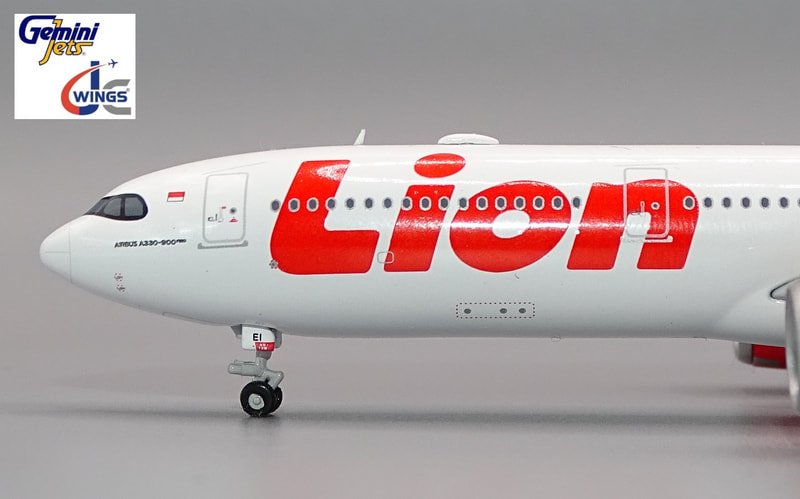

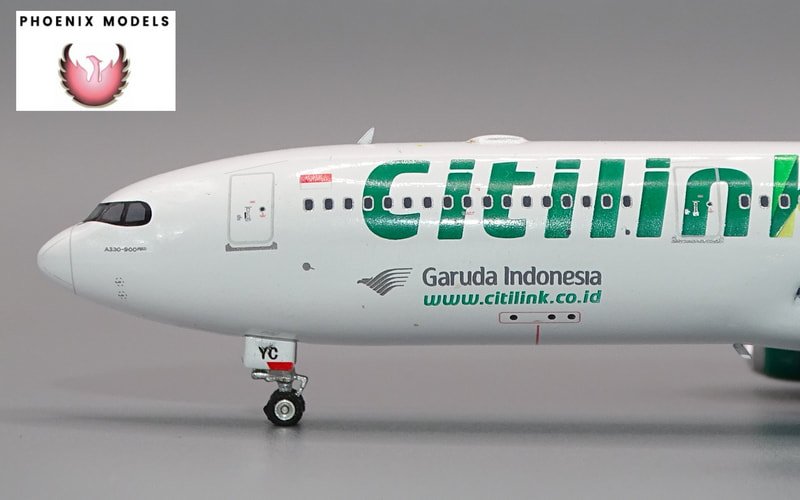
NOSE & COCKPIT: Previously, the Aviation400 had easily the weakest nose, but the modifications to the mould have brought it up to near par with the other three, although the angle of the cockpit still appears a little shallow. None of them have major issues and for the JC and AV versions they are better than their A330-300 counterparts.
NOSEGEAR: The NG version is I think the gold standard ere. It’s NEO has a correct slight nose-down attitude and a fineness to its gearleg that isn’t matched by other others. The Phoenix version has a much too large gear door and the JC variant has a rather chunky set of steering actuators. The Aviation400 version has, like the nose, been improved over the initial releases and now looks much better.

ENGINES (SIDE ON) & PYLONS / MAINGEAR

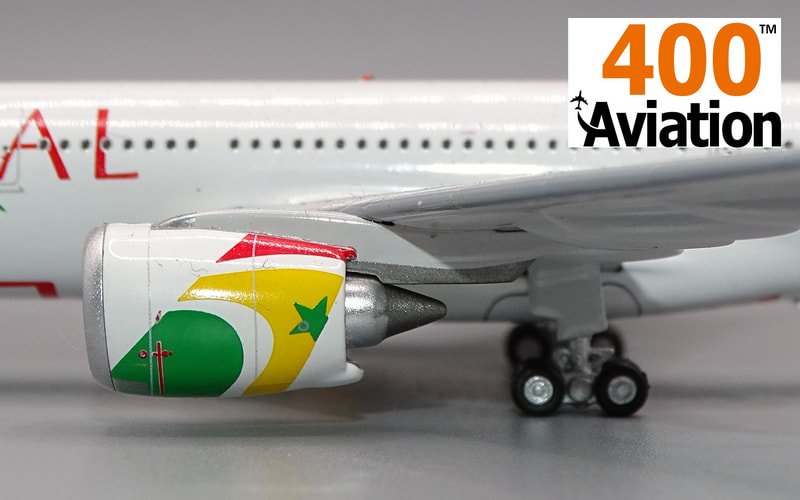
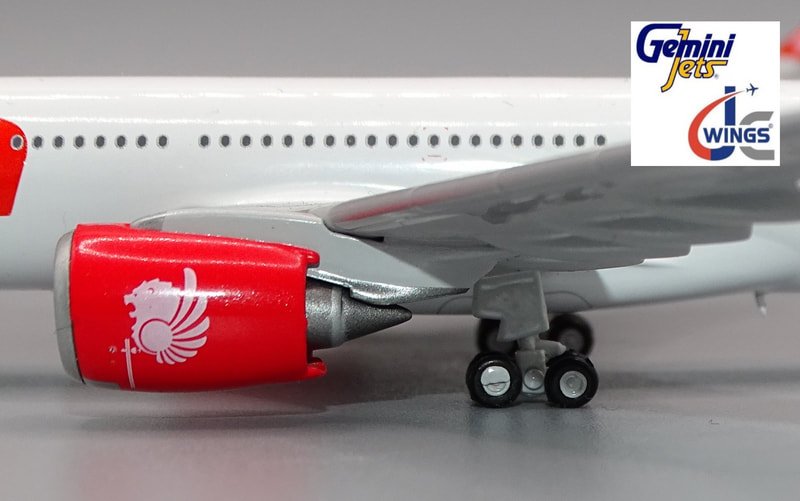
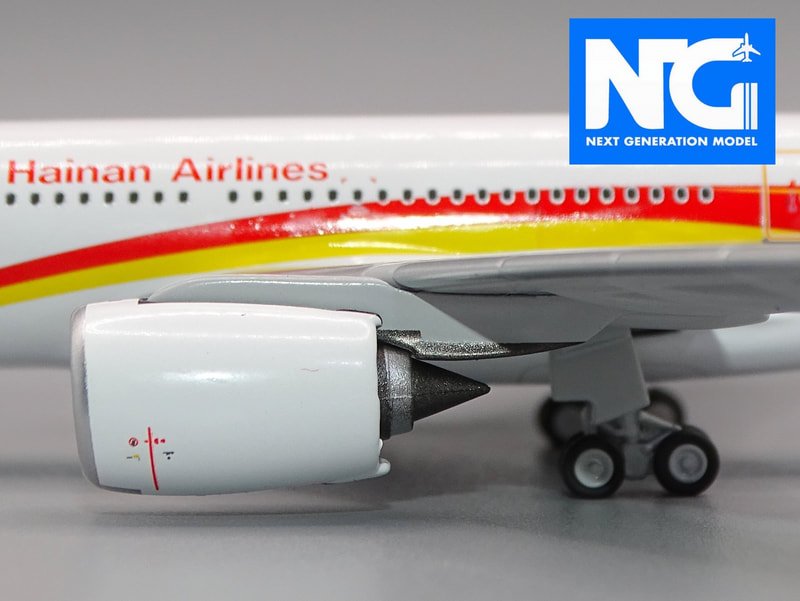
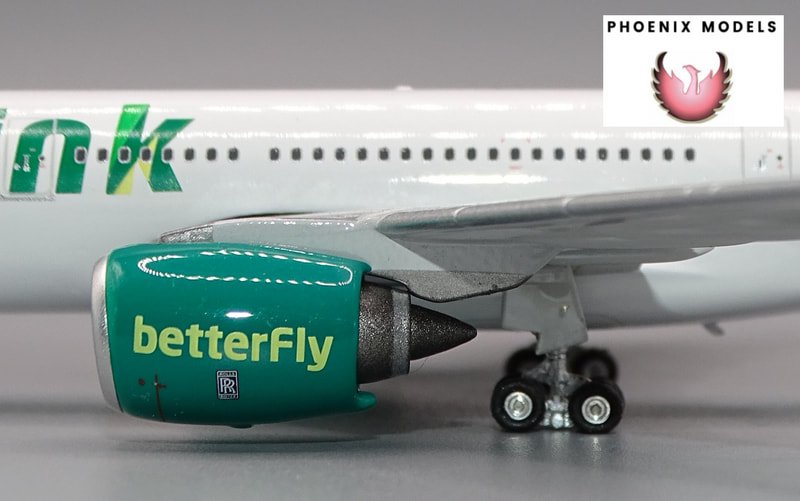
NACELLES & PYLONS: The engine nacelles are well shaped on all four versions, but the rims are somewhat compromised on the three with separate rim parts (to allow fitting of the fans). The engine hot section exhausts are sharpest on the NG and JC versions and somewhat too rounded on the Phoenix and AV400s. When it comes to the engine pylons the shape of the Phoenix are weakest, both at the front atop the nacelle and where it doesn’t fit properly to the hot section underneath. The JC Wings under pylon joins too far down the hot section while the AV400 doesn’t have the correct curvature.
MAINGEAR: The Phoenix NEO reuses their A330CEO gear and so is a little chunky with a geardoor that isn’t low enough. The JC and AV are better but compromise on accuracy to allow the pivoting of the maingear trucks. The NG foregoes truck rotation and easily has the most accurate look.

ENGINE FANS
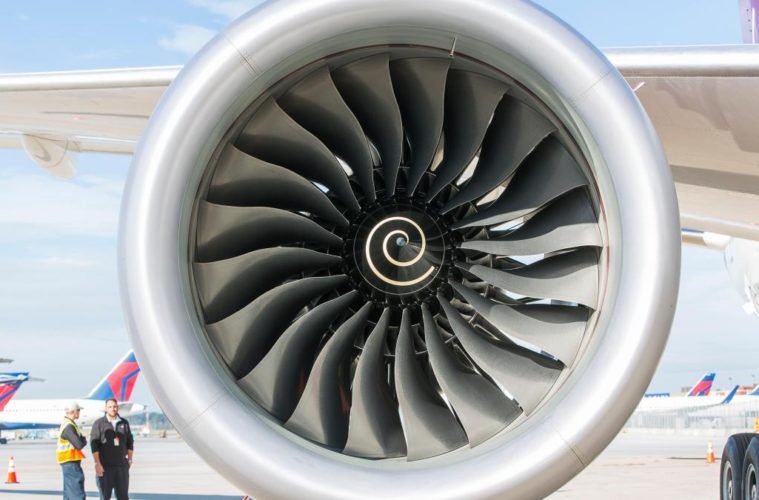
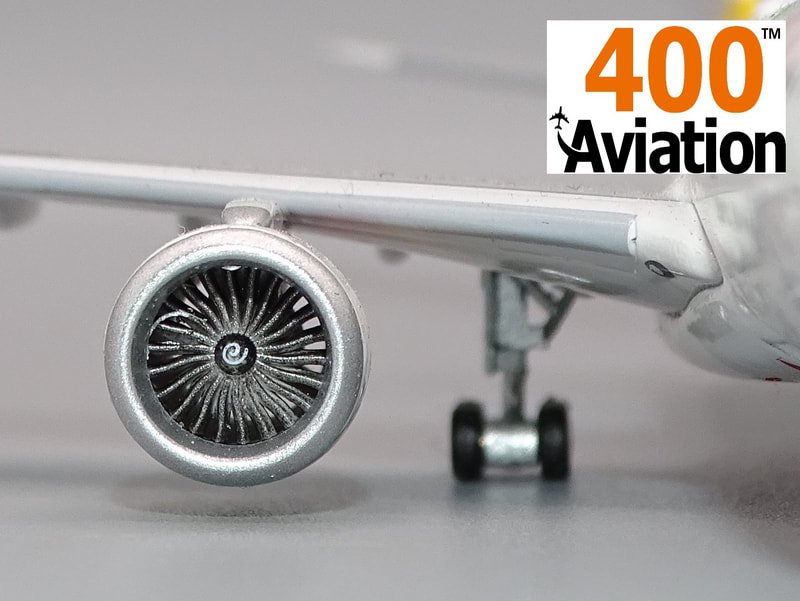
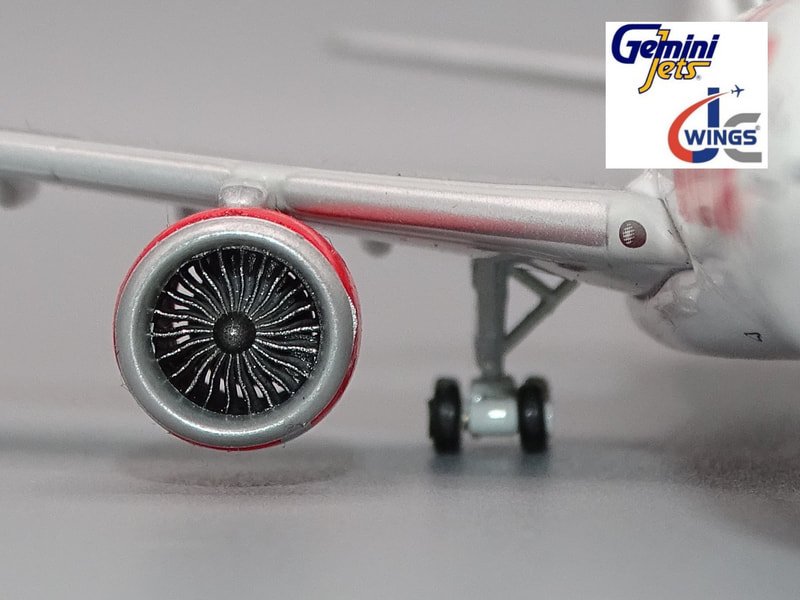
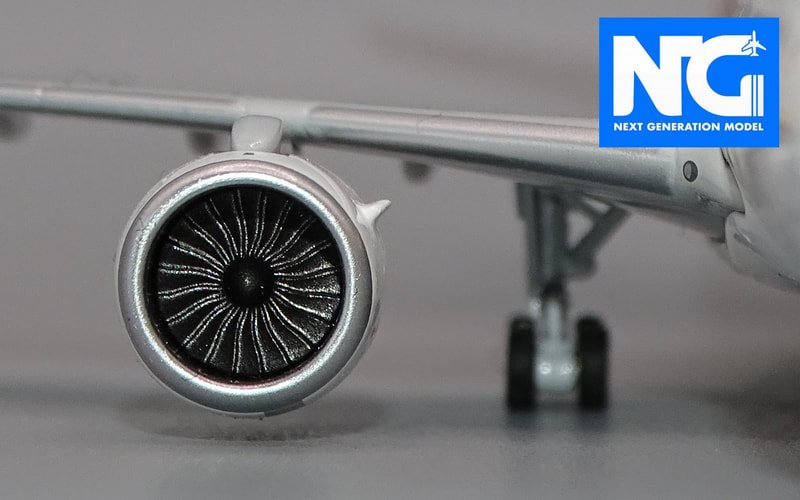
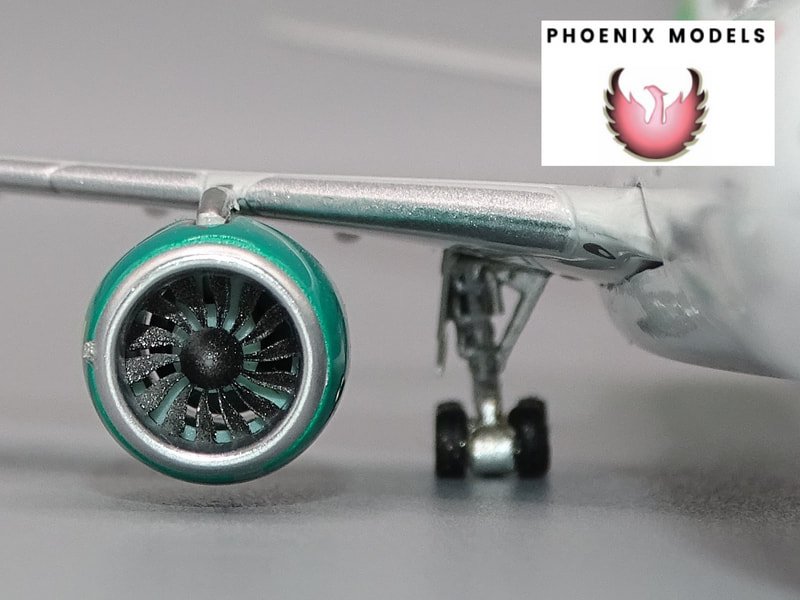
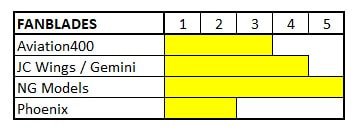
ENGINE FANS: The four versions illustrate two different design philosophies. Hollow core and spinning fans are present on 3 whereas the NG version has solidcore fans. It is undeniable that the extra playability of hollowcore engines detracts from the accuracy. The NG fans are the correct size and shape. There are also correctly 20 fanblades. The JC Wings variant has 22 blades and they are a little too thin to facilitate being able to see through them. AV400 also has 22 blades and at their ends, where they should be widest, they are also too thin with not as good a shape as the JC. Phoenix takes this to the extreme as although the fanblades are wider there are large gaps between them and there are only 14 fanblades in total. The Phoenix engine also appears to have a much narrower opening than the other 3.
SHARKLETS
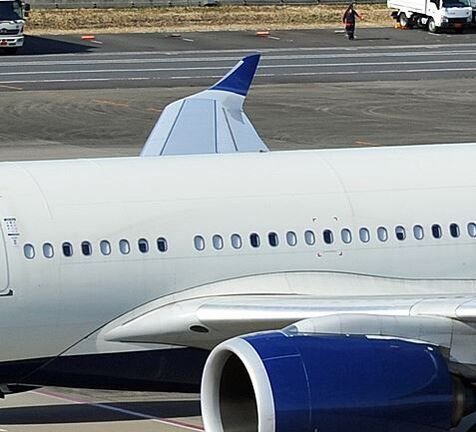

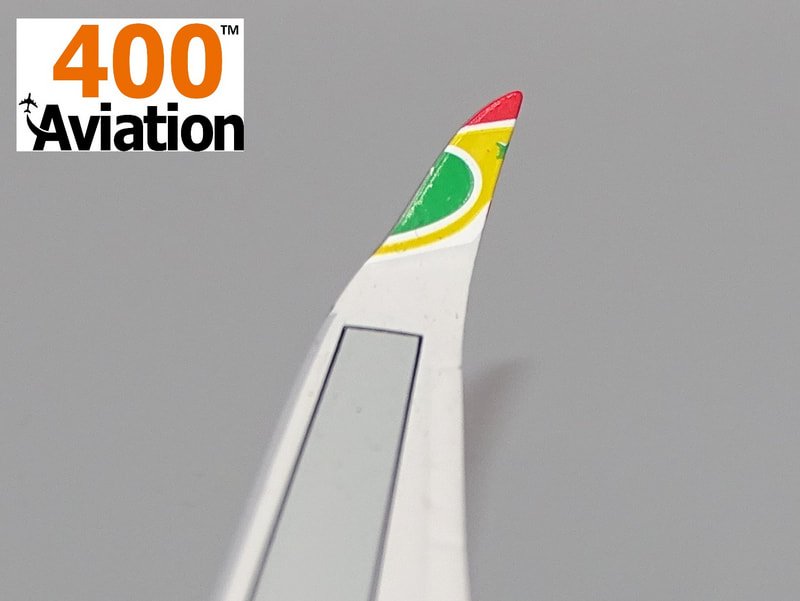
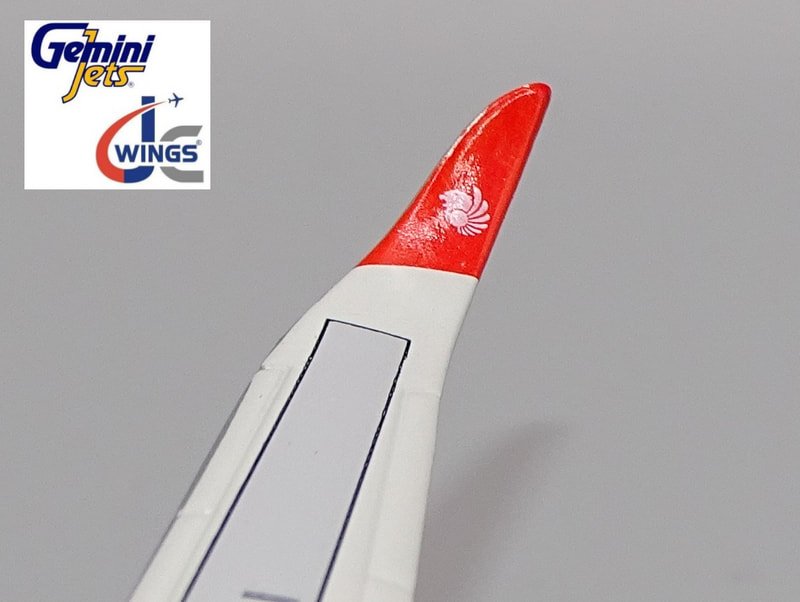
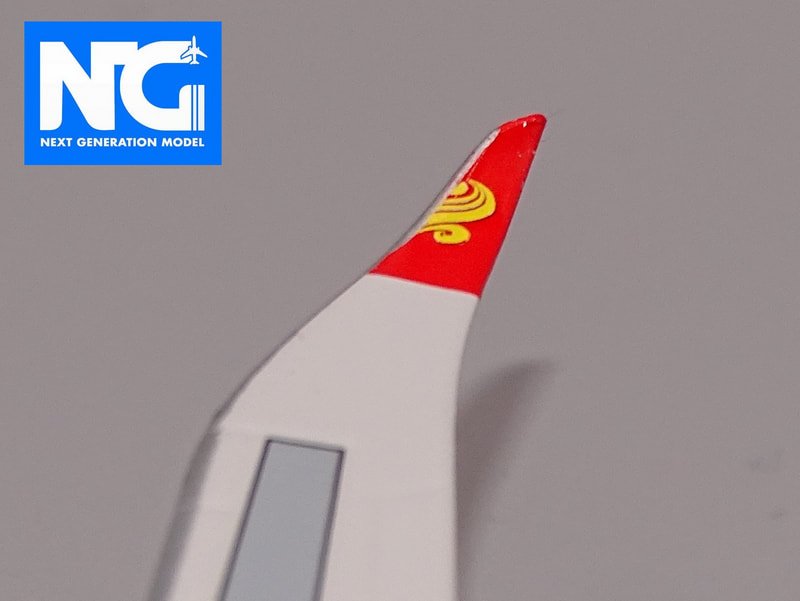
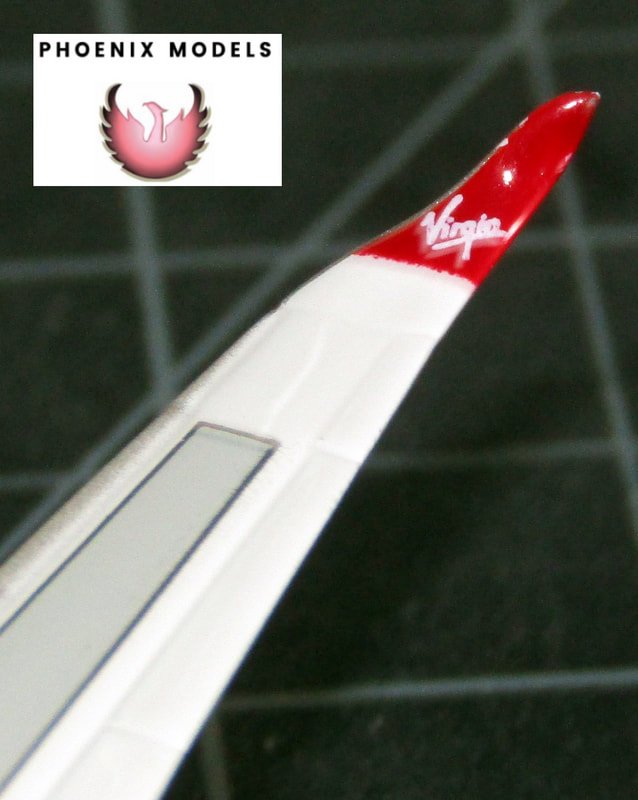
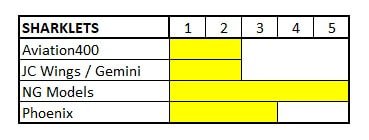
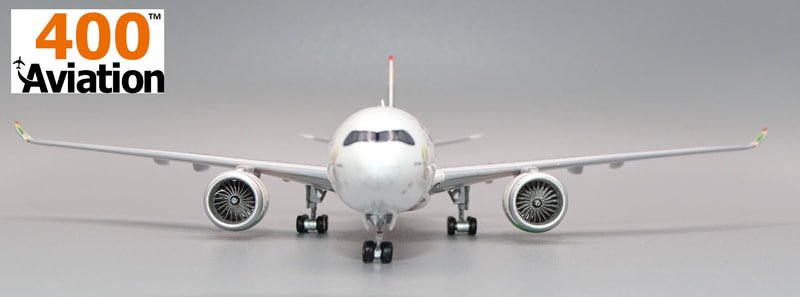
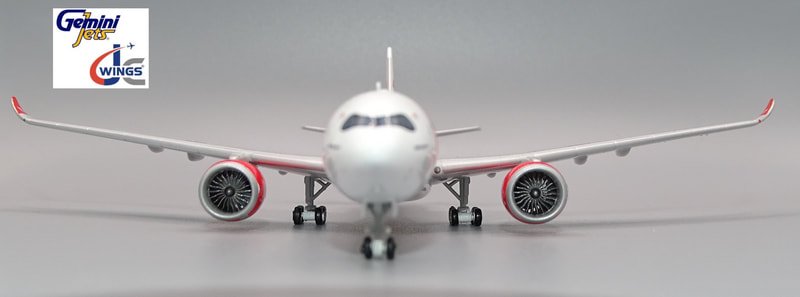
The sharklet shape of the A330NEO is made up of a series of curves that end in sharklets that are quite low and significantly thinner than the wingtip itself. Only the NG version accurately portrays the wing end shape leading to the winglets, as well as their relative small size. Phoenix have modified their winglets (and the image used below shows the updated version rather than the original). It is a definite improvement, but they still feels inaccurate with the rear line of the winglets not far enough behind the trailing edge of the wing proper. The sharklet size and shape on the AV and JC moulds is quite inaccurate. The winglets are too large, not accurately shaped and the form of the wing end not curved accurately to meet them. The oversized winglets are especially obvious when viewing the model from the front – see below images.
WINGS

From the front the extreme dihedral of the JC NEO is obvious. The AV is also a little high at the wingtips, but nowhere near as bad as the JC. You can also see how much larger the sharklets are on the JC and AV versions. From the front the Phoenix performs as well as the NG if you ignore the engines. The NG is also the only one to have accurate gear truck widths. All the other three have to wide maingear units, with the JC the widest.
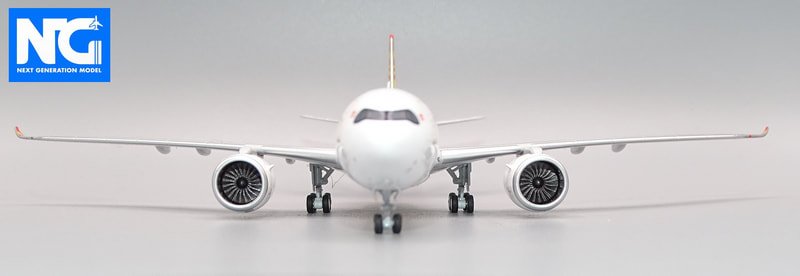
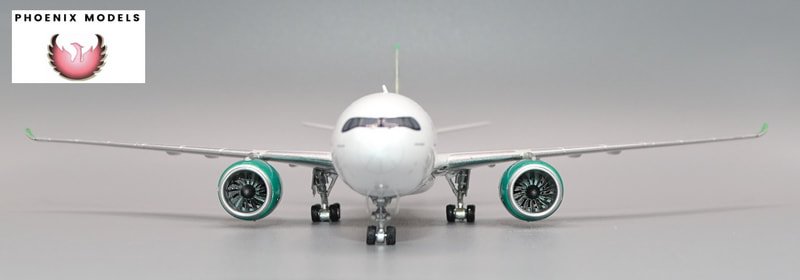
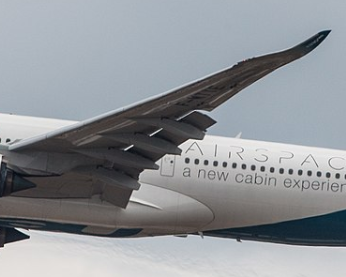
Unfortunately, it isn’t all good news for the Phoenix mould with the rest of the wing. It incorrectly has the tapering flap track fairings of the A330ceo rather than the heavily squared off fairings of the neo. On the underside the NG is the only mould to miss off the flap track hinges (presumably a design choice).
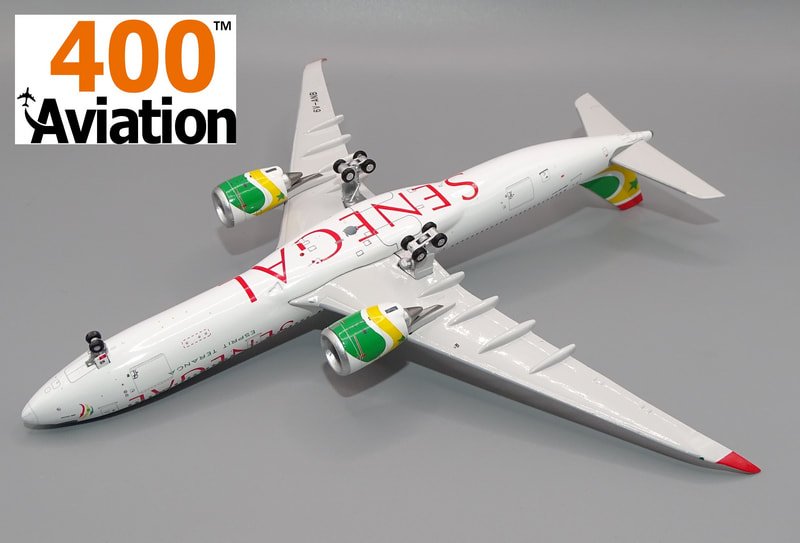
TAIL & TAILCONE


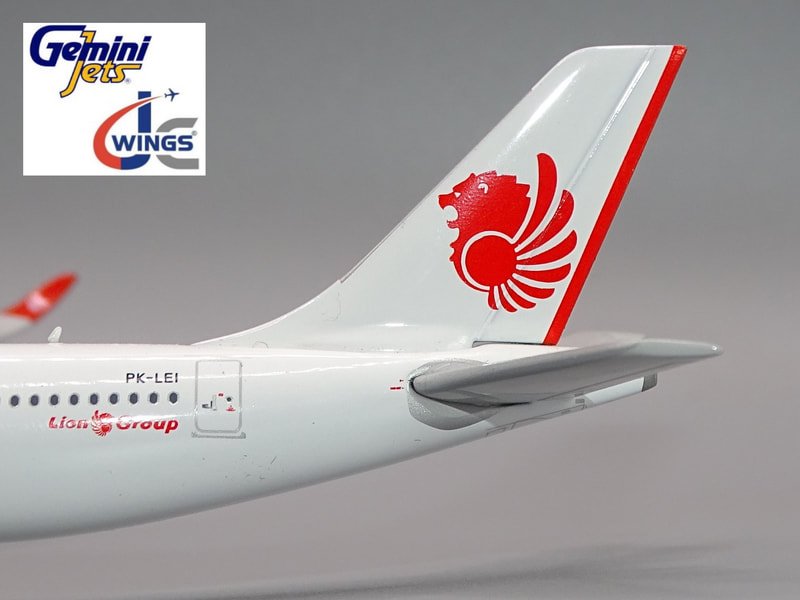
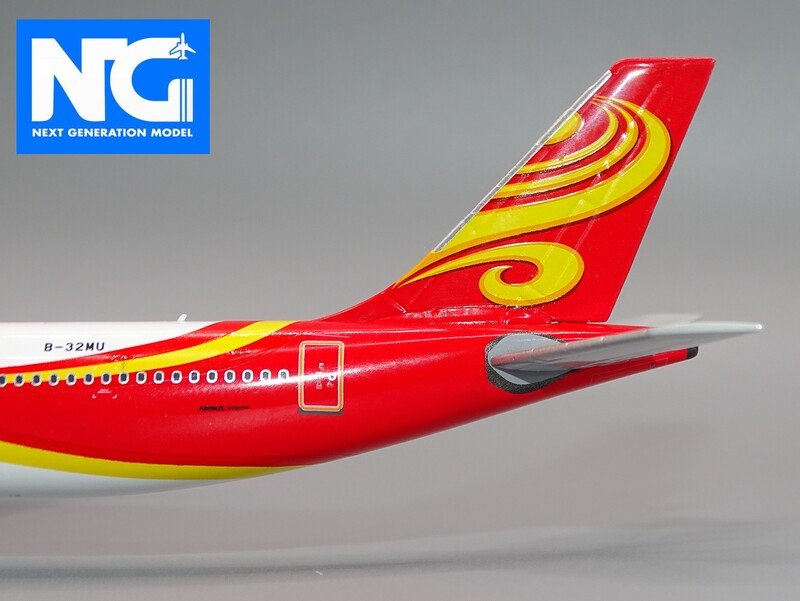
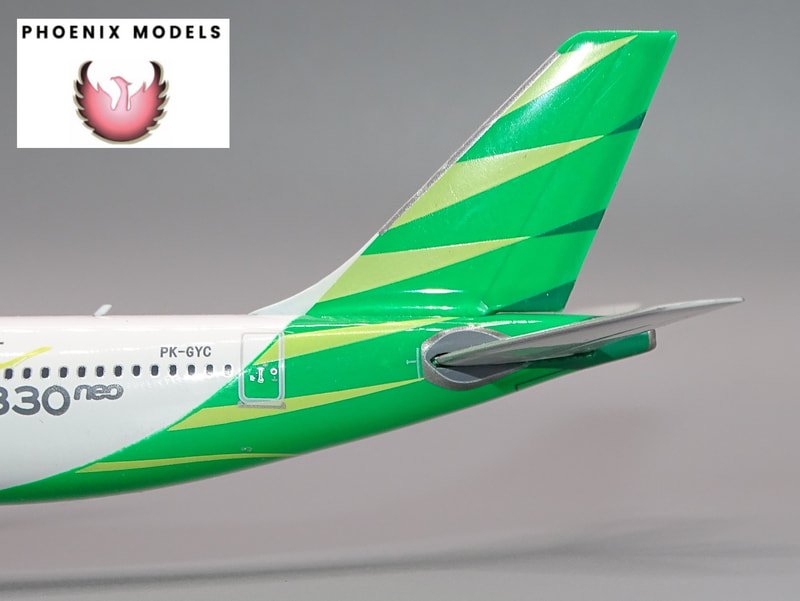
All the moulds have very similar tailcones and stabilisers. All the moulds are new enough to exhibit a free lower margin to the rudder also.
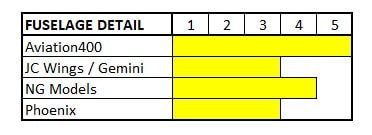
FUSELAGE DETAILING

The level of detailing on the fuselage is obviously an area where once again design decisions come in to play – most obviously with Aviation400 and their beacon lights. You may consider it a gimmick but I like it myself. The AV400 mould also has all three NACA intakes moulded in, as does the NG mould. Neither the JC Wings or Phoenix moulds model in the NACA intakes. As is typical with JC Wings the aerials are a little too upright and slightly oversized. The Aviation400 mould is the only one to feature magnetic detachable landing gear.


Summary
If I’m honest I had of course expected the two oldest moulds to come last, but I hadn’t expected the NG version to be so far ahead. This is partly due to their design decisions to focus on accuracy in areas such as the maingear and engines, but also to them accurately modelling the sharklets and wing ends.
The Aviation400 mould has definitely improved over its earliest versions and is now very competitive, especially with its mag gear and beacons. It is still letdown though by some of the design compromises to focus on features, and the sharklet form.
Both the JC Wings and Phoenix moulds are serviceable, but could also both be quite easily improved. It is the wing dihedral and sharklets that hurt the former most. The Phoenix needs new flap track fairings, updated landing gear and better engine fans.